
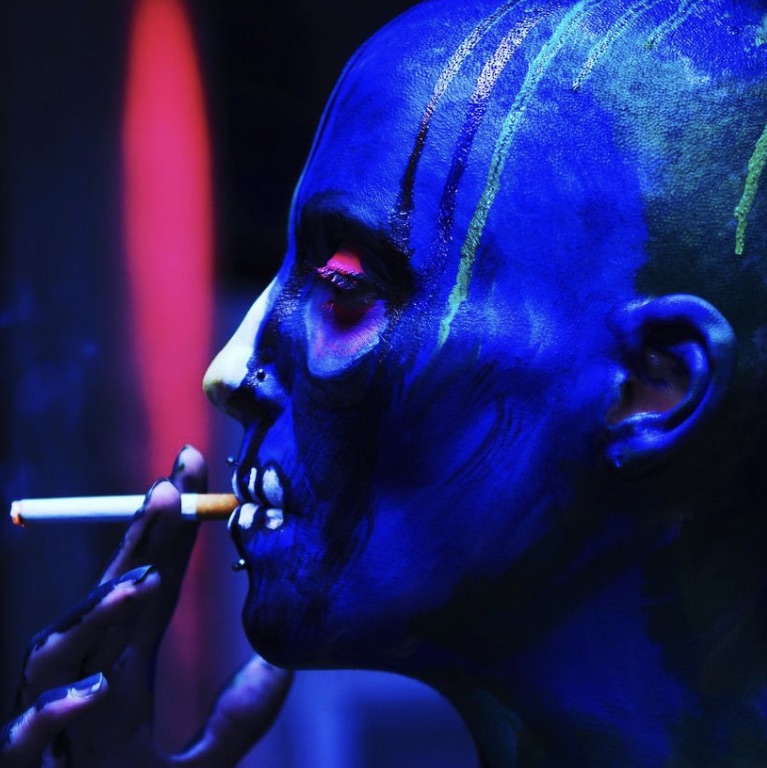
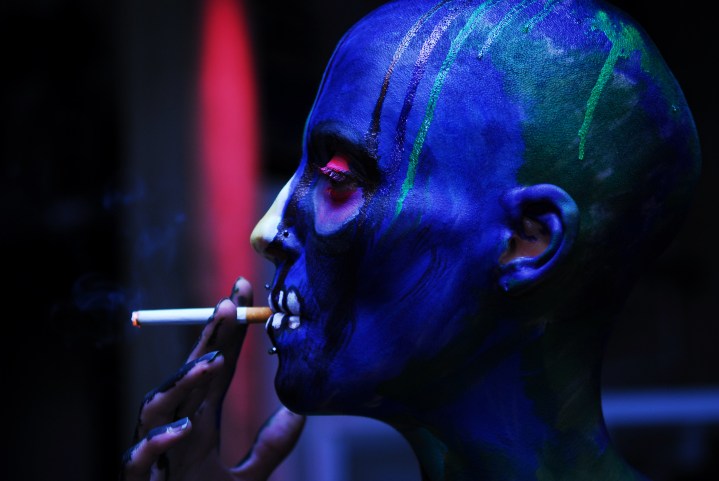
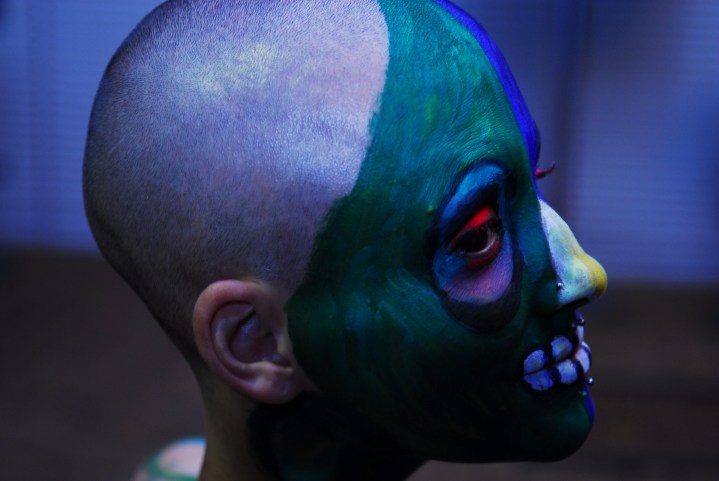
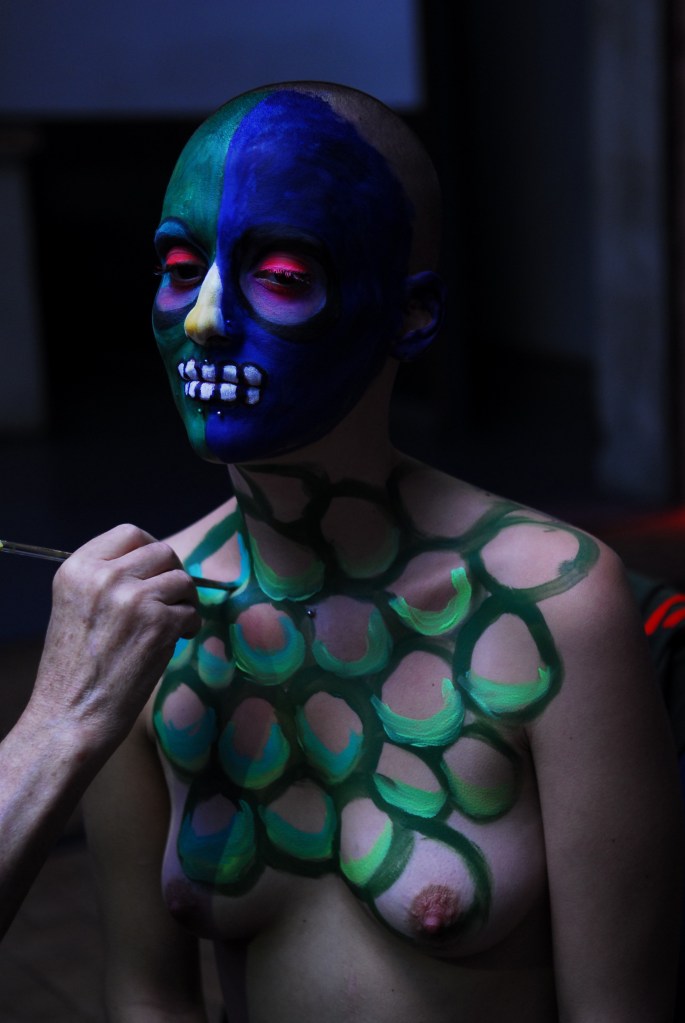
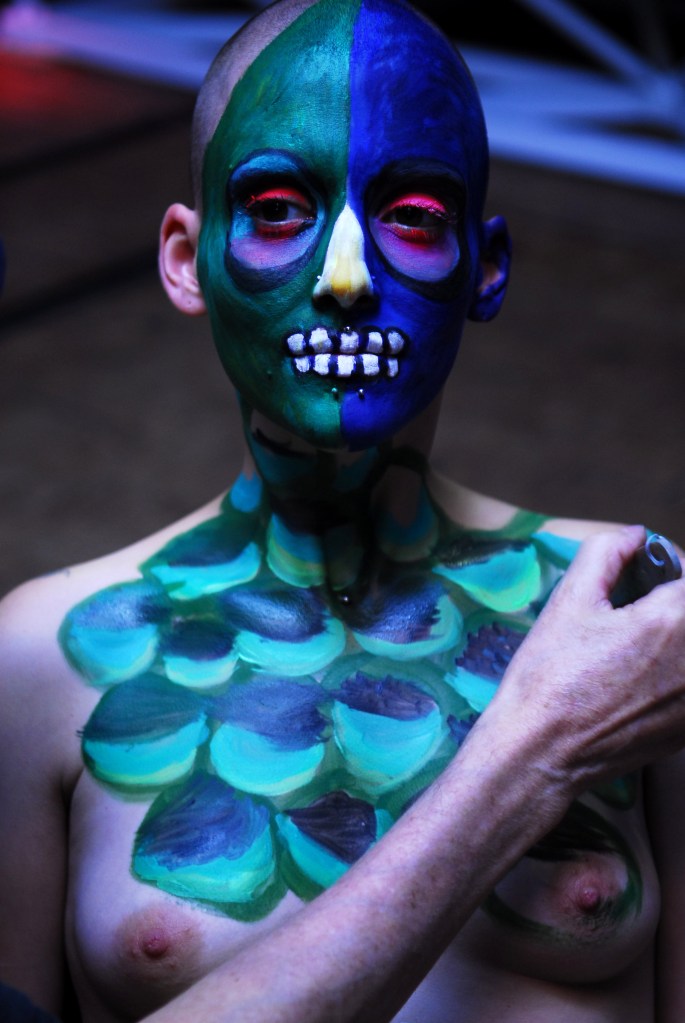
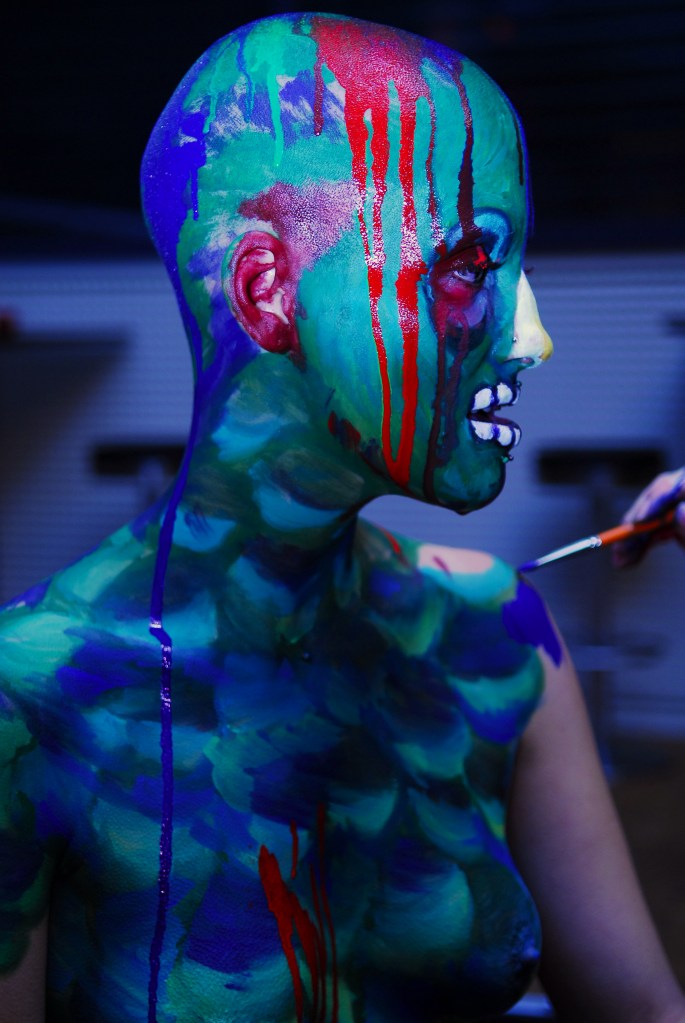
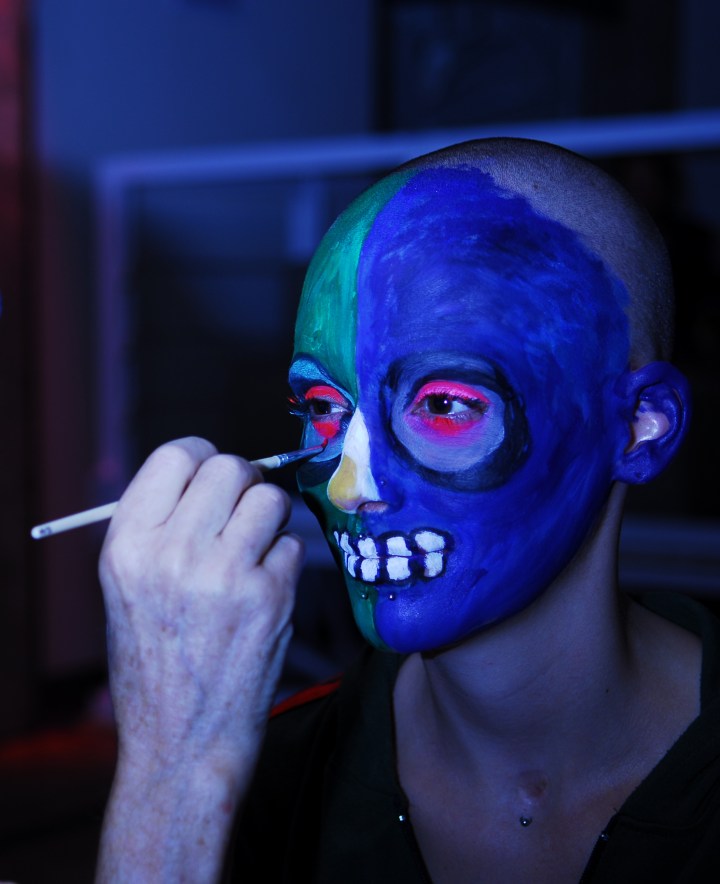
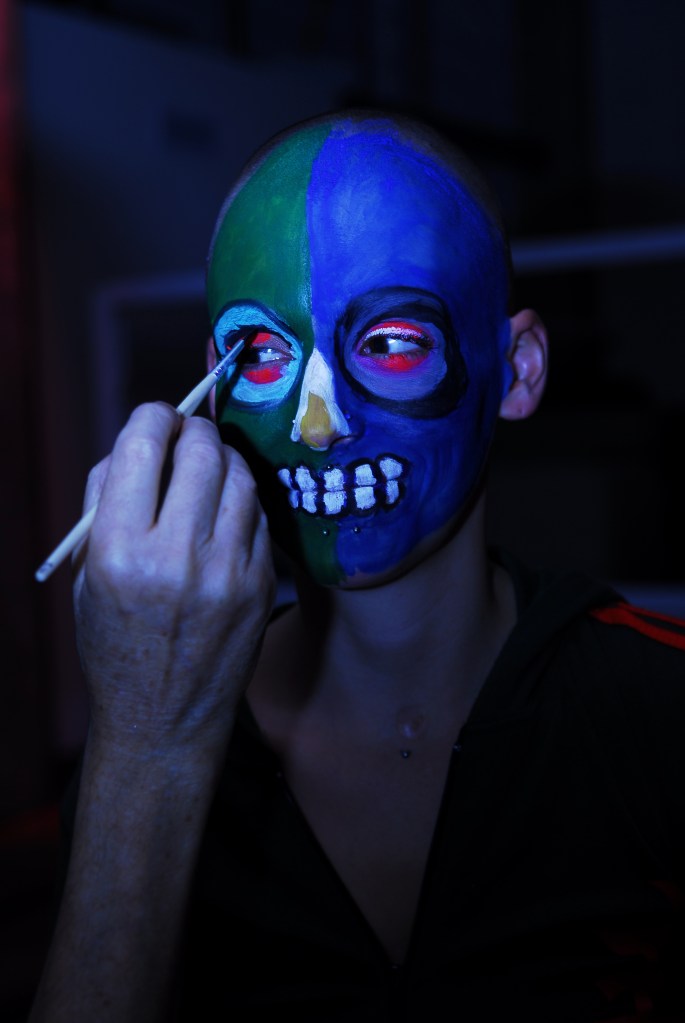
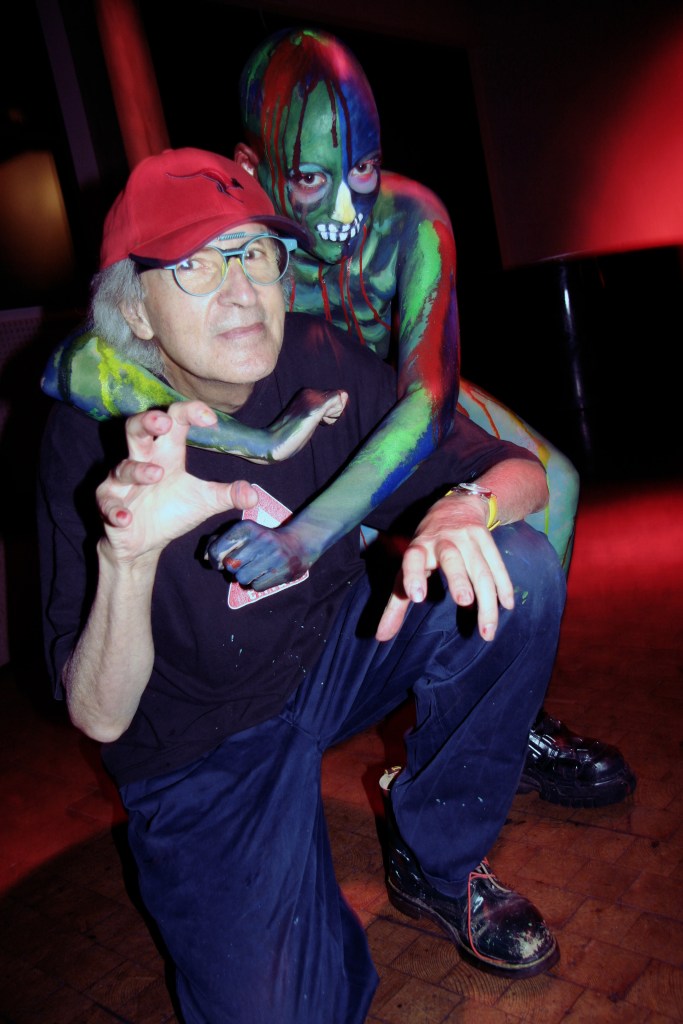
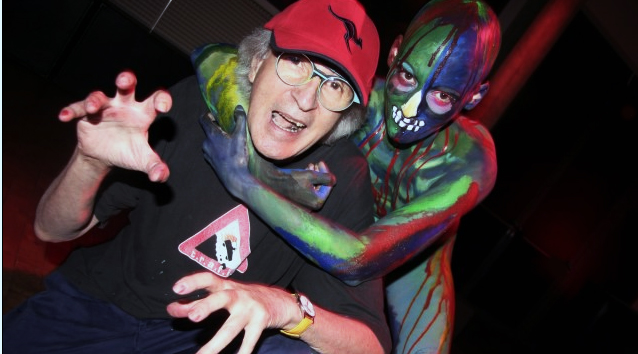
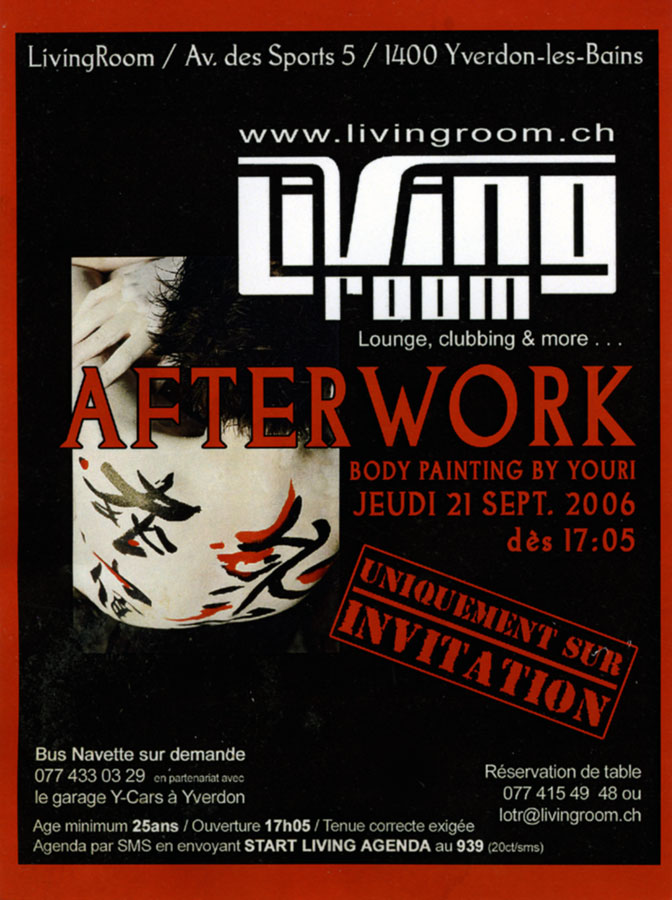
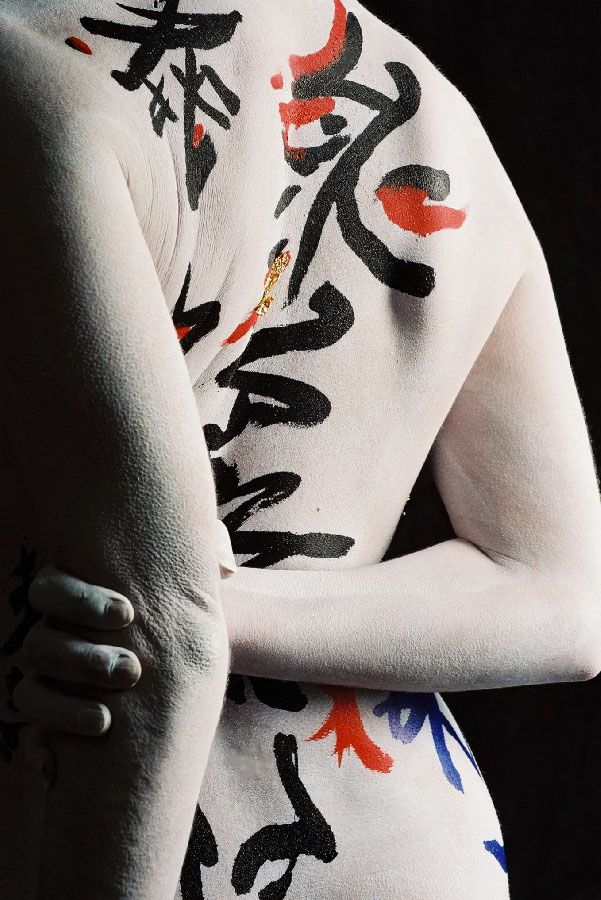
Livingroom – CH – 2006 – Photography Estelle Kromah ] Natacha Grand
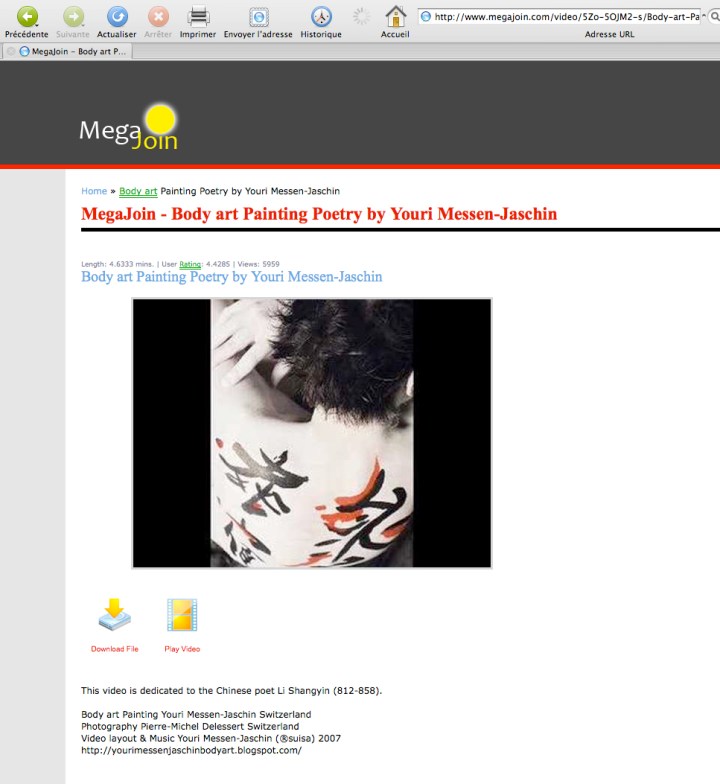
Body art is an artistic practice in which the human body functions as the primary medium. Emerging within the context of Conceptual Art during the late 1960s and 1970s, it is closely linked to performance art and is fundamentally defined by its ephemeral nature. Rather than producing permanent objects, body art exists as a time-based action, experienced directly and often disappearing once the performance has ended.
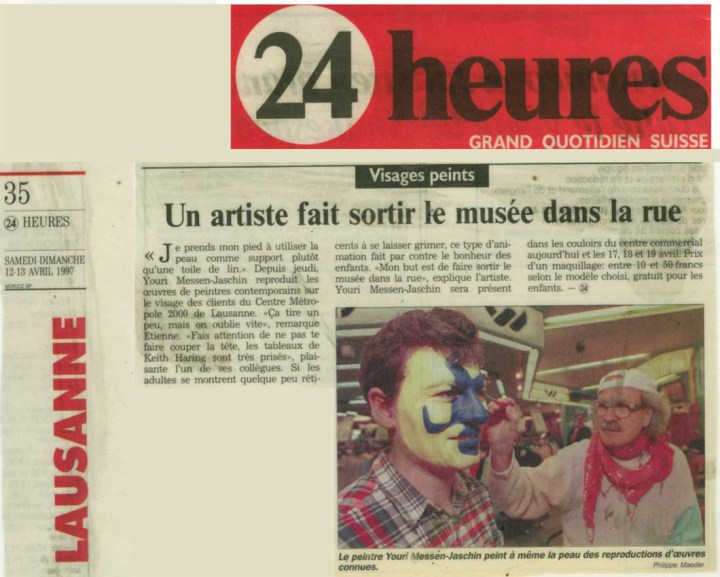
Several artists introduced body art into museums and institutional spaces, notably Yves Klein, whose performances emphasized the body as both tool and site of artistic action. In this lineage, body art is understood not as representation, but as an event—an act occurring in real time, inseparable from the presence of the performer and the viewer.
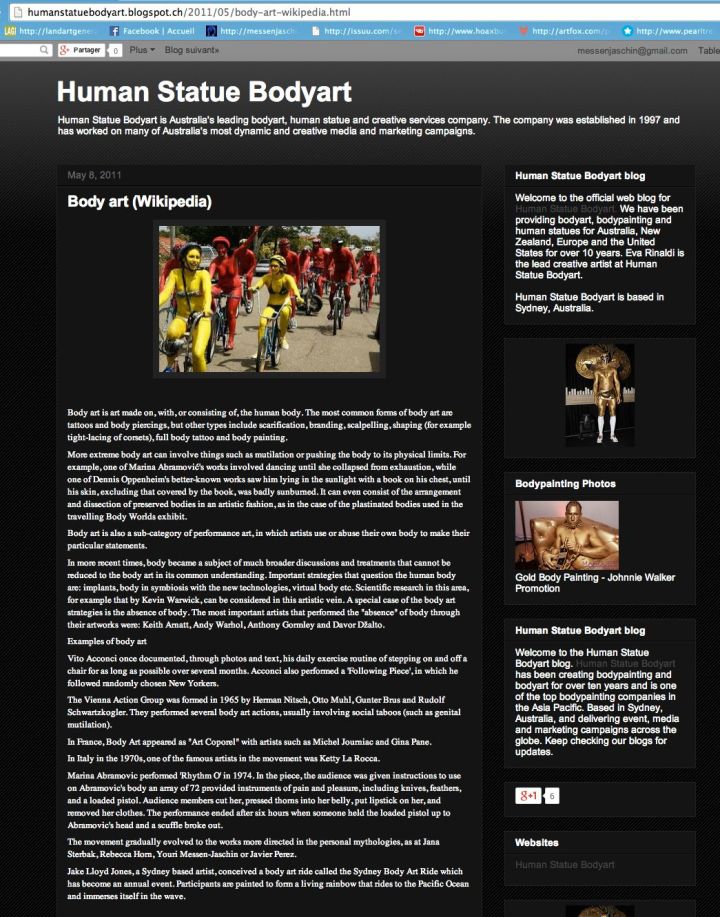
Body art encompasses a wide range of practices, including live performance, body painting, photography, film, video, casting, and writing. In certain radical forms, it has explored the physical and psychological limits of the body. Over time, the body has also become a subject of broader artistic inquiry, engaging with themes such as technological extensions, implants, hybrid bodies, and virtual or avatar identities.
Artists whose practices are structured around highly personal and symbolic narratives include Rebecca Horn, Javier Pérez, and Jana Sterbak.
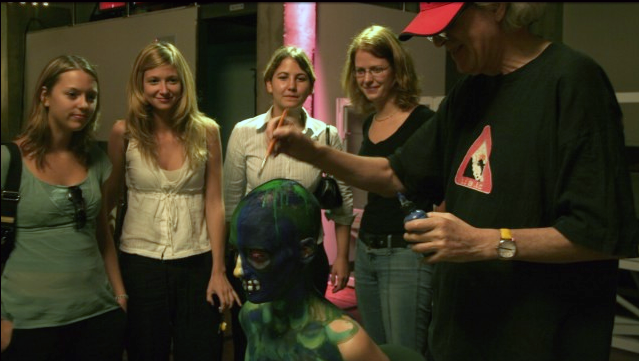
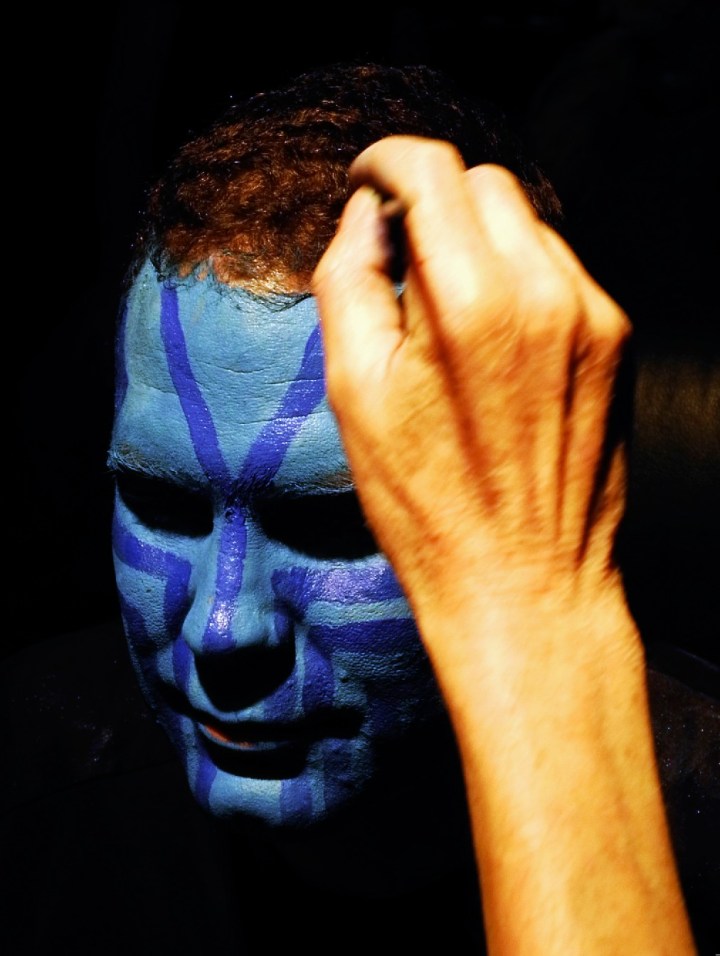
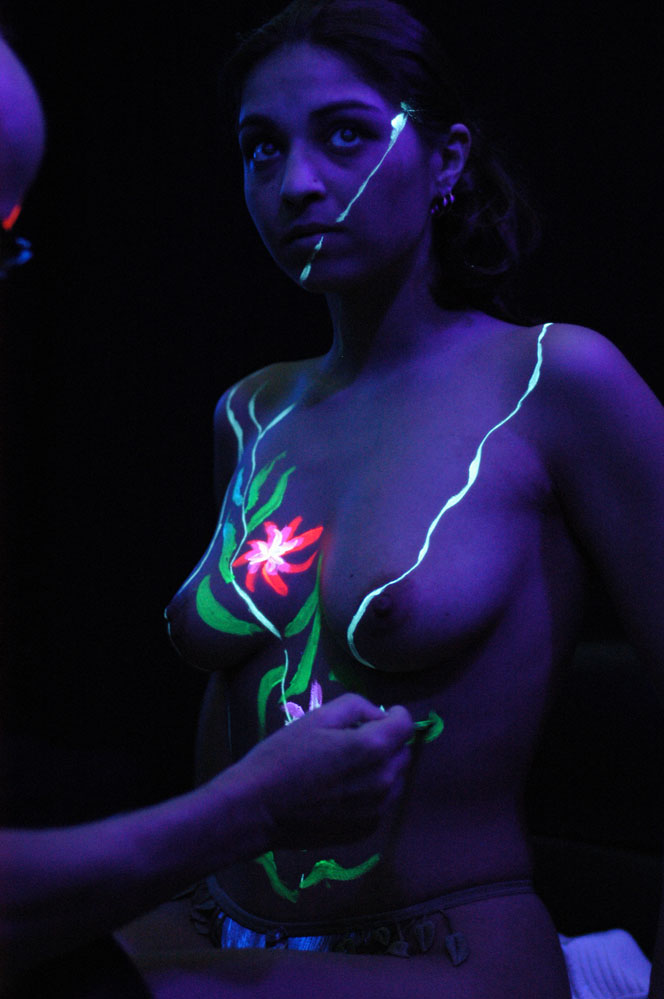
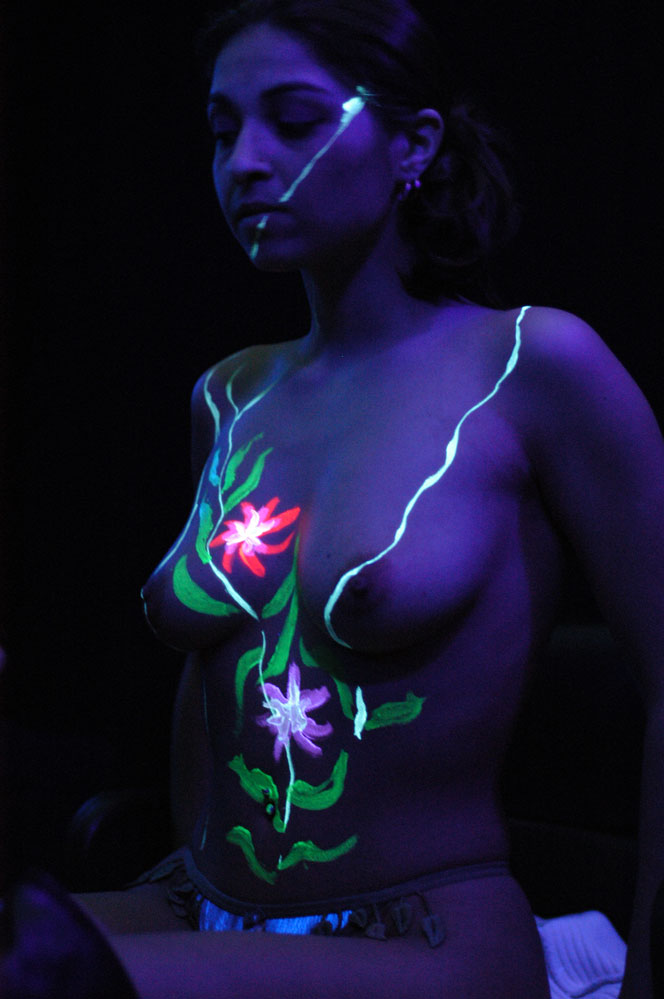
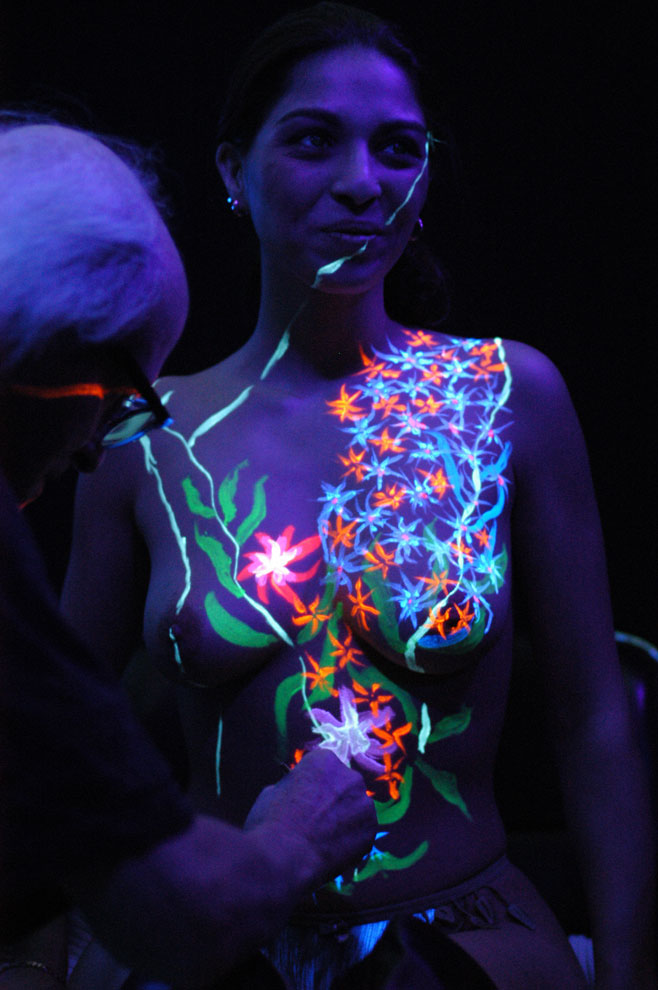
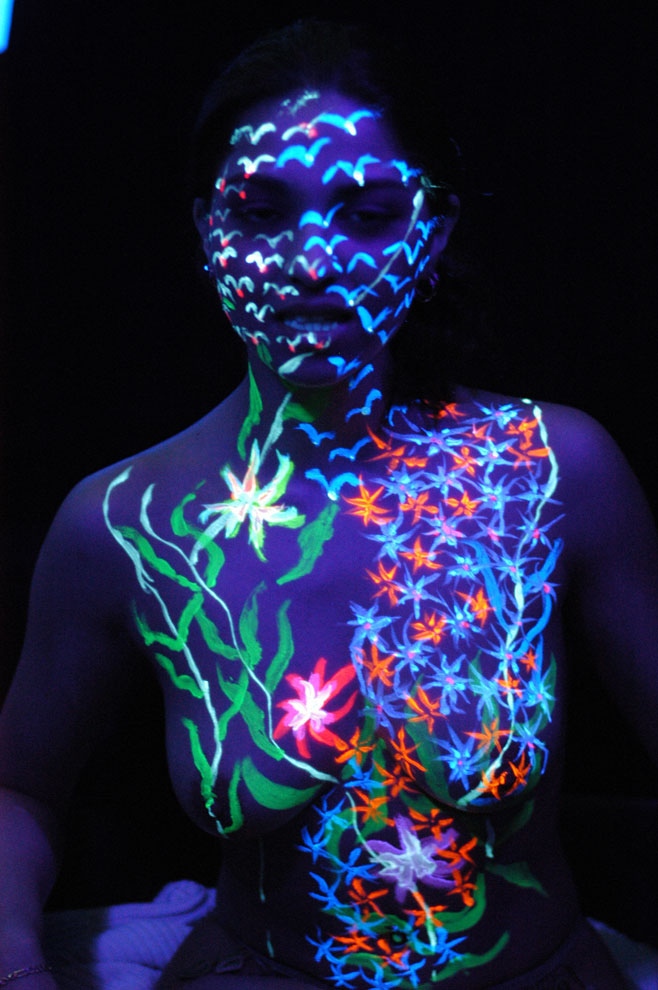
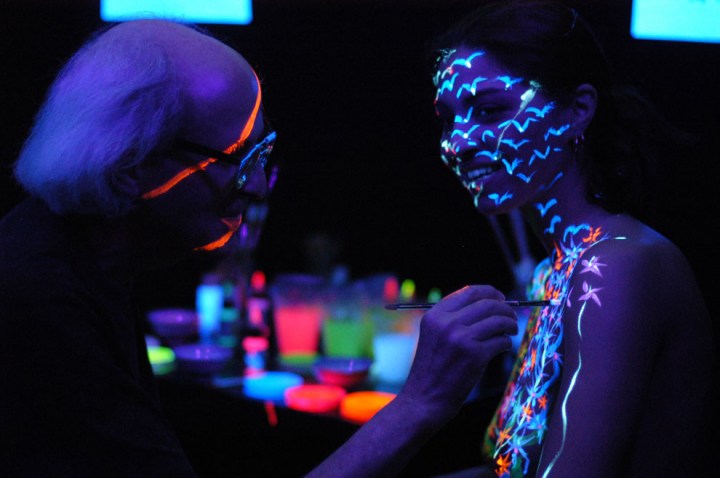
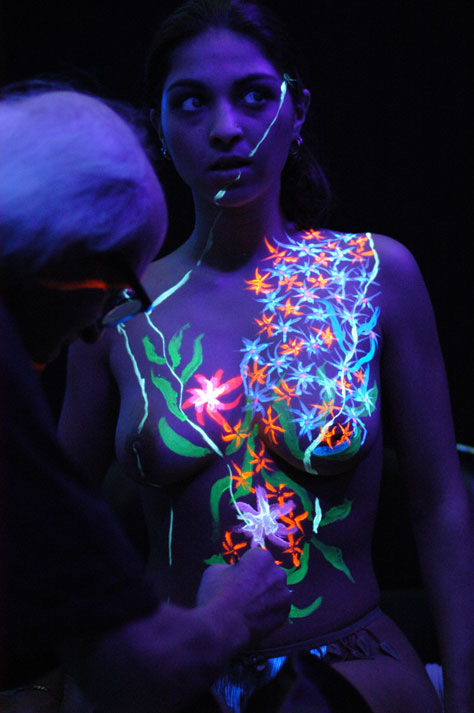
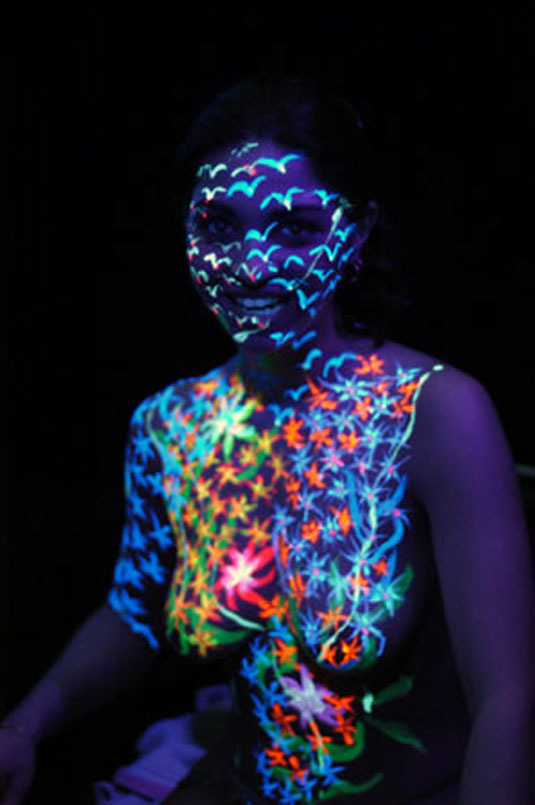
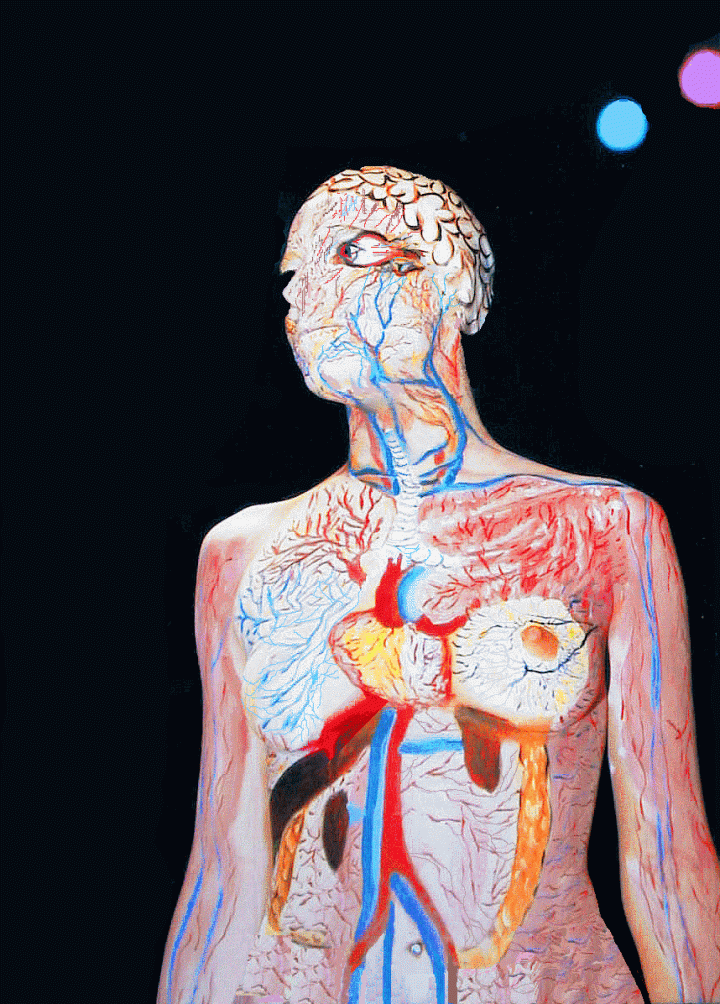
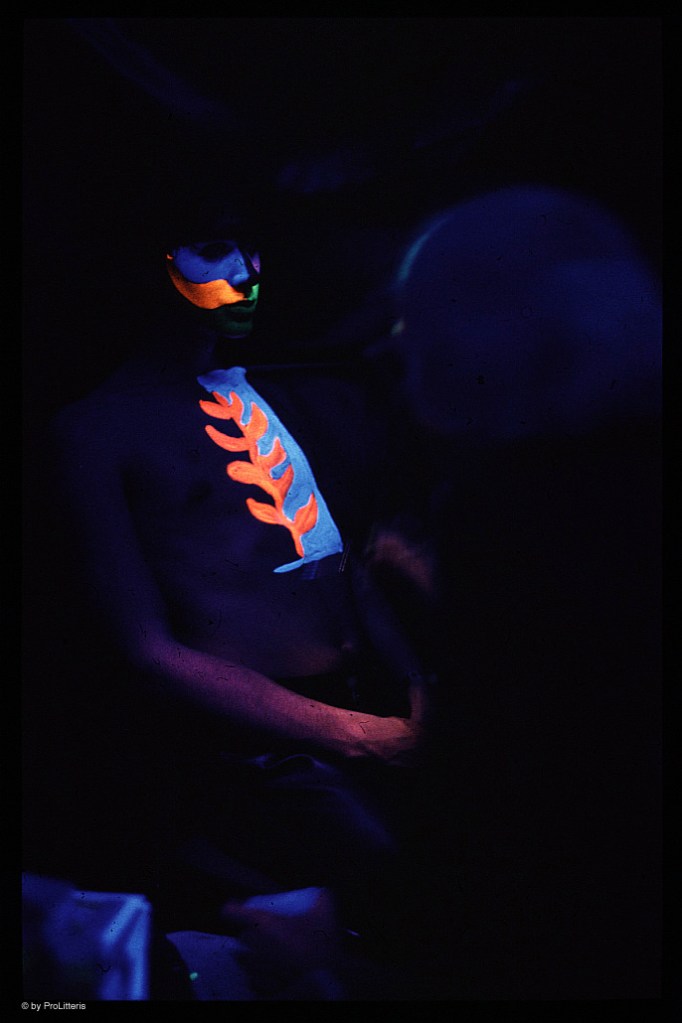
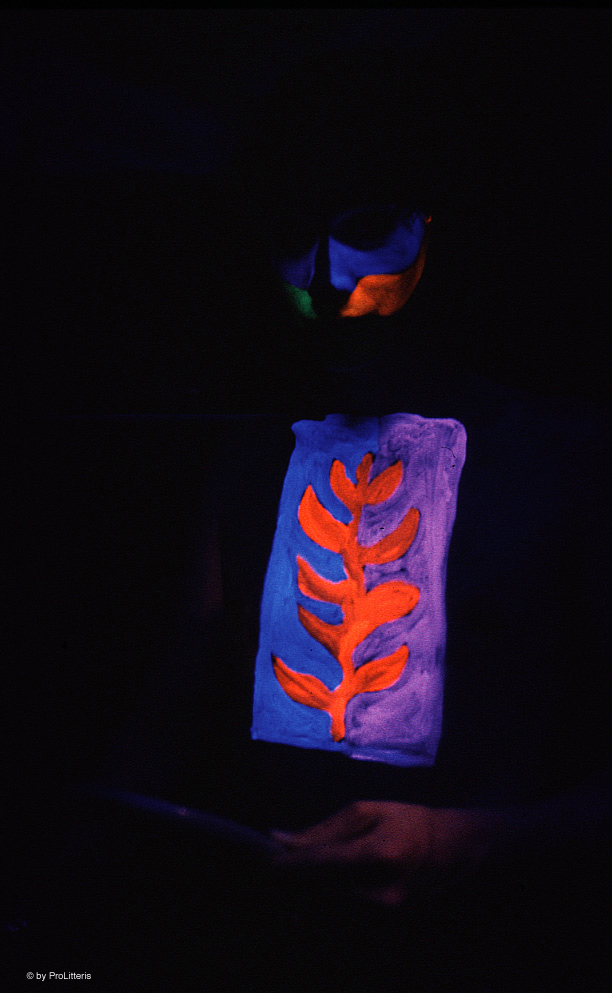
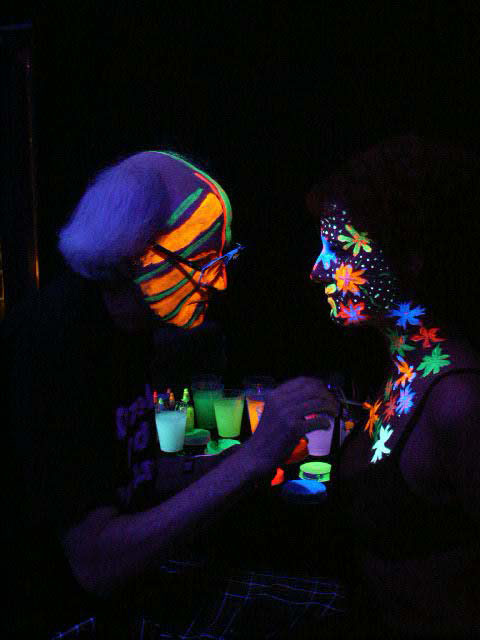
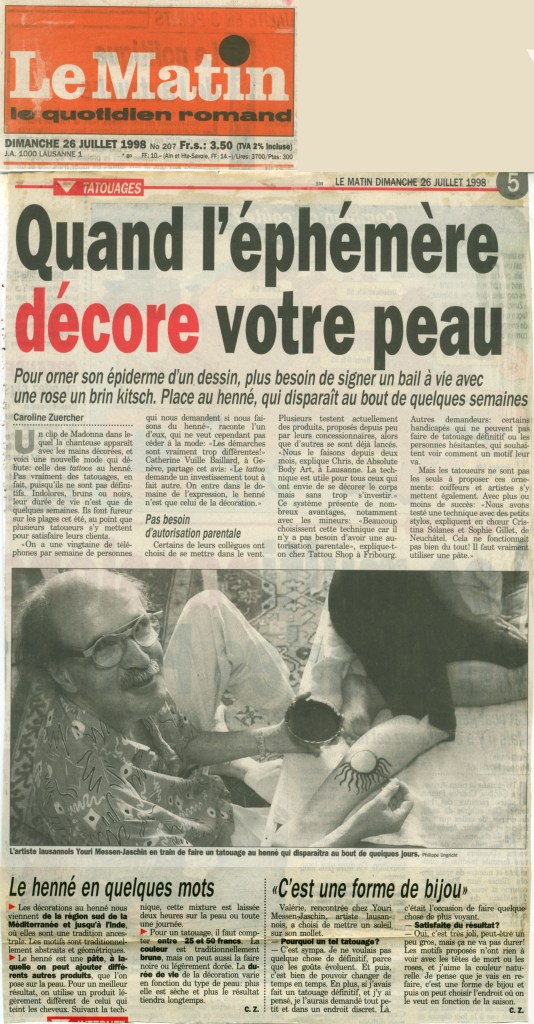
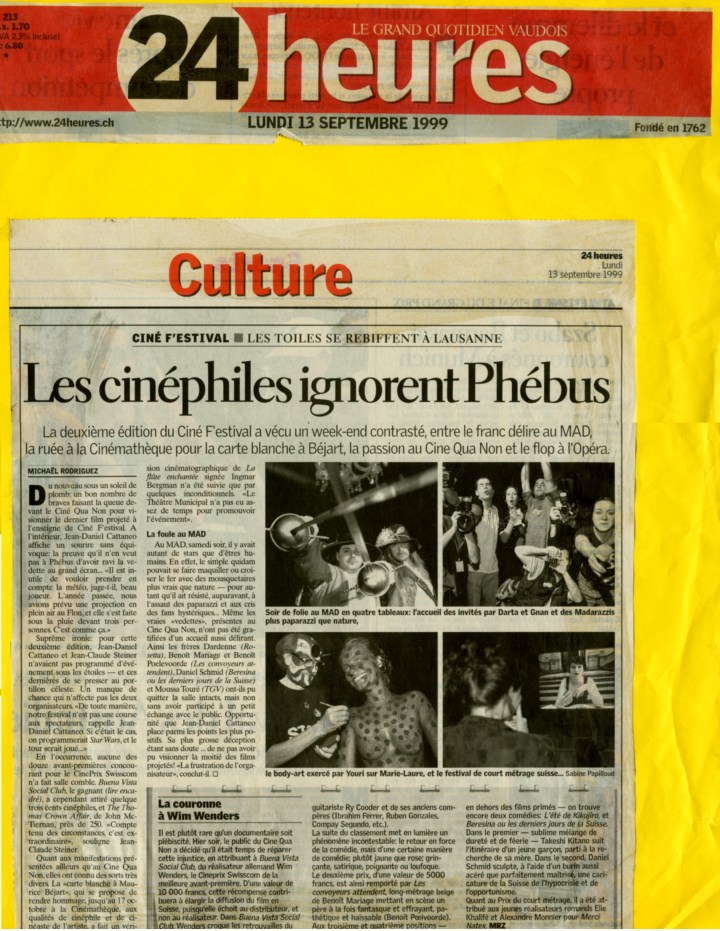
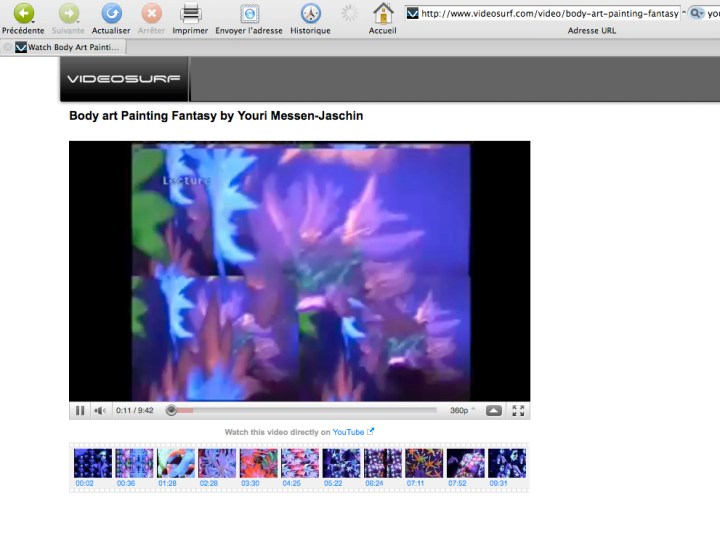
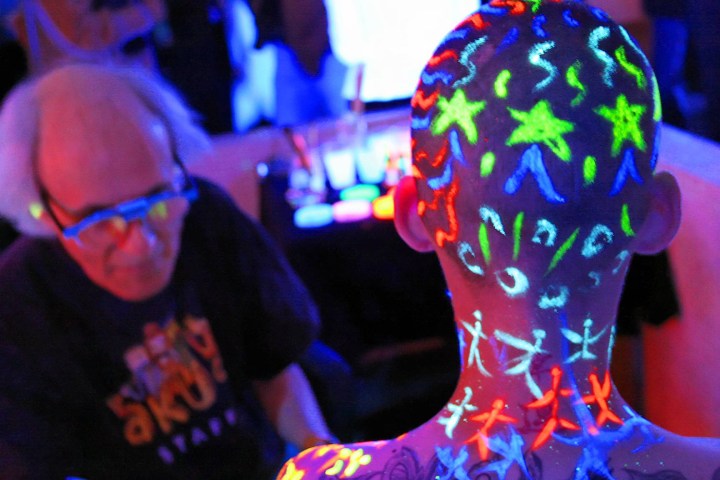
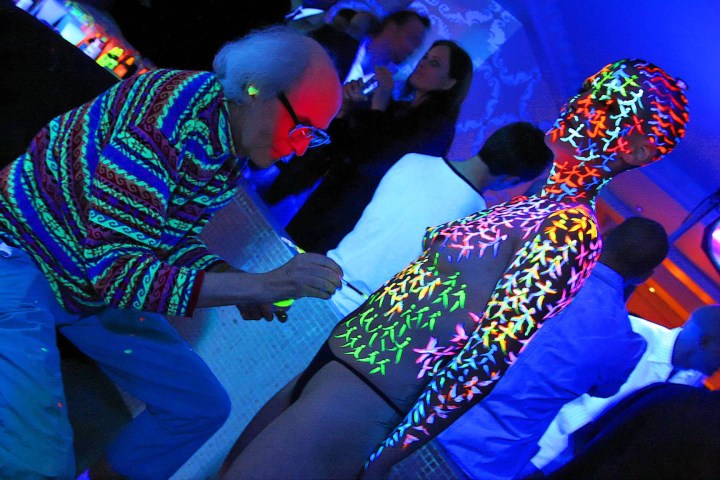
Youri Messen-Jaschin developed his body art primarily as a live and public performance. Working on stage—often in nightclubs and occasionally in museums—he conceived body art as an ephemeral act, created for a single night or a limited moment. These performances were realized directly in front of an audience, emphasizing immediacy, presence, and interaction rather than documentation or permanence.
In this sense, body art functions as a performative practice rooted in the atelier, the stage, and the lived experience of time, where the artwork exists only through its execution and collective perception.
He began in the streets of New York, outside institutions and established art circuits. A New York club manager noticed his work and invited him to bring it onto the stage. From that moment on, he began painting a woman live in front of an audience — the action itself becoming the artwork.
The intensity and immediacy of these performances quickly resonated within the underground night scene. He later continued in London, where clubs became temporary stages for live body art, blurring the boundaries between performance, ritual, and visual art.
Over the years, more than one hundred women were painted live, on stage, in nightclubs, festival, alternative venues, galleries, and occasionally museums, across Switzerland, Germany, the United Kingdom, the United States, Italy, Sweden, the Netherlands, France, and Venezuela.
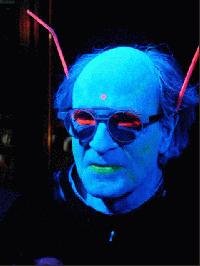
This body art was conceived as an ephemeral act, created for a single night. Under black light, the body slowly faded from sight. Color remained, suspended in the darkness, breathing with the rhythm of the room. Time softened. Perception shifted. For a brief moment, the body became a passage. between light and shadow, presence and disappearance, artist and audience, matter and vision.
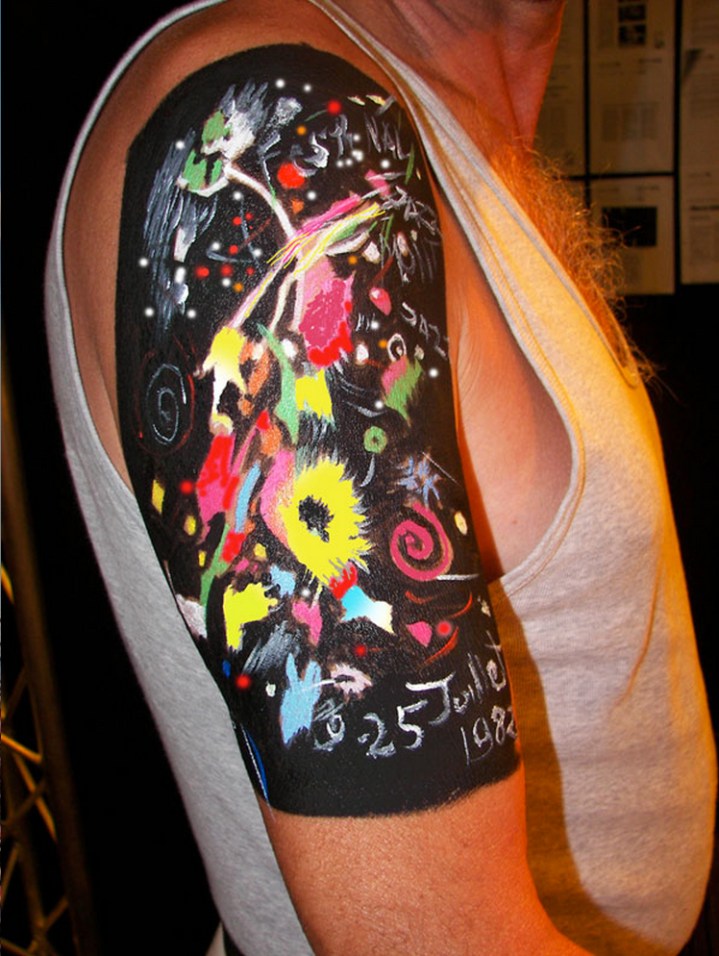
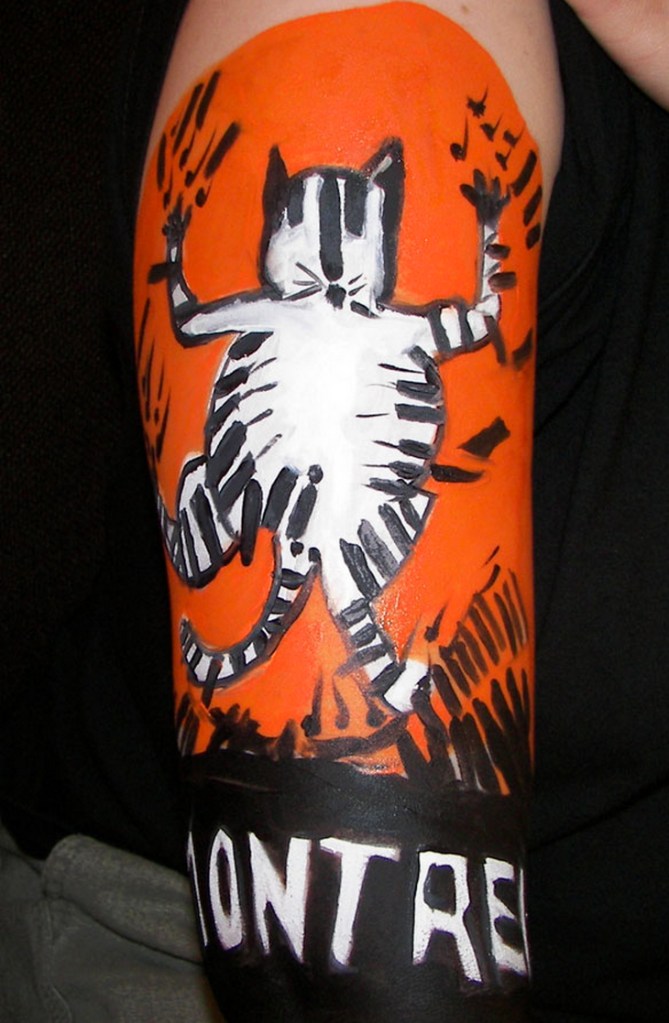
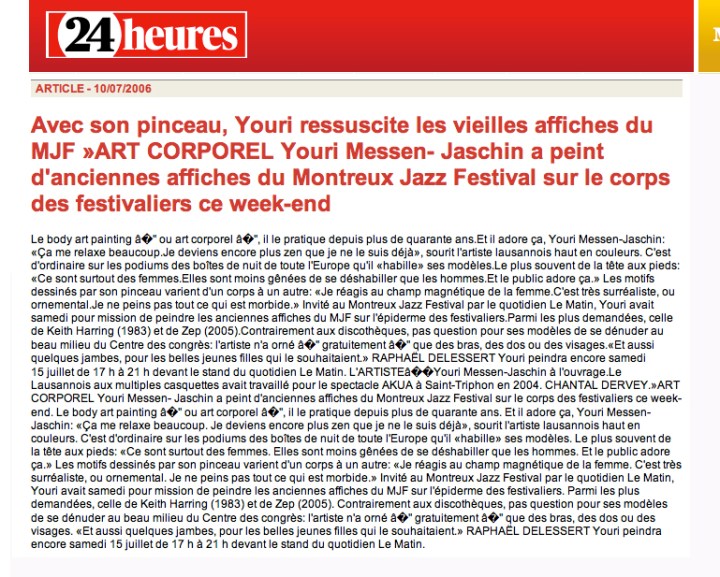
Montreux Jazz Festival – 2006 – sponsor ” Newspaper 24 Heures “
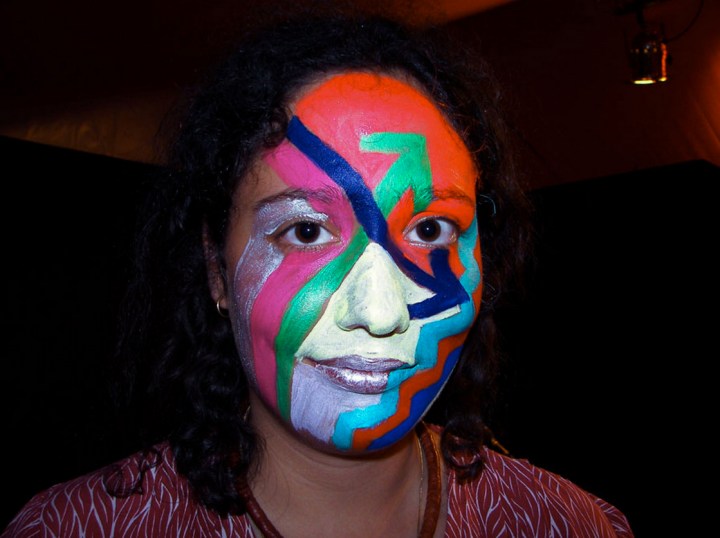
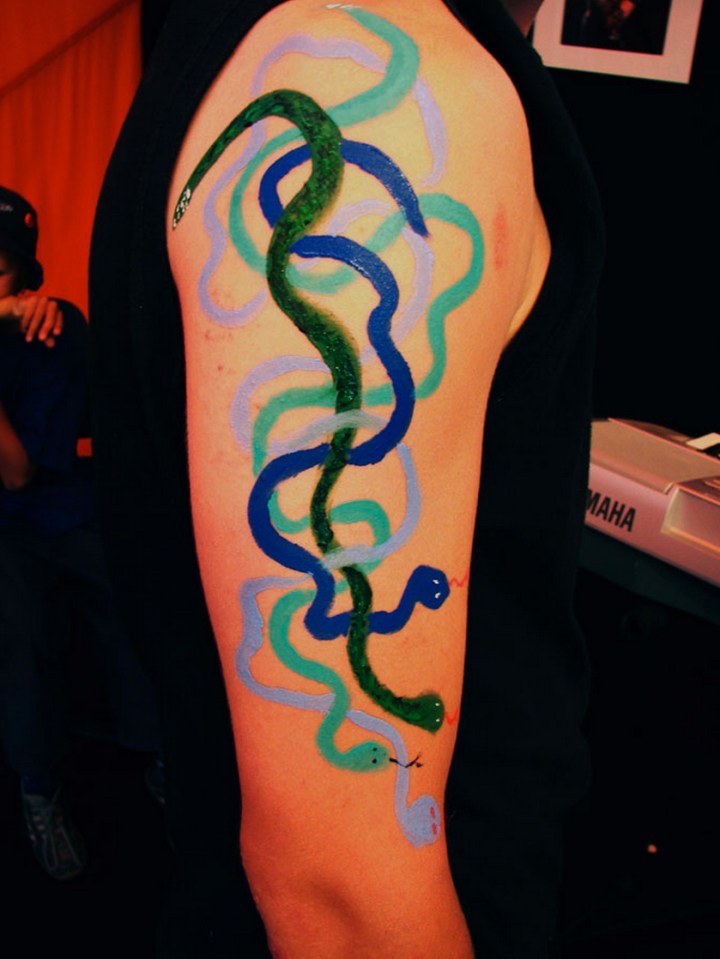
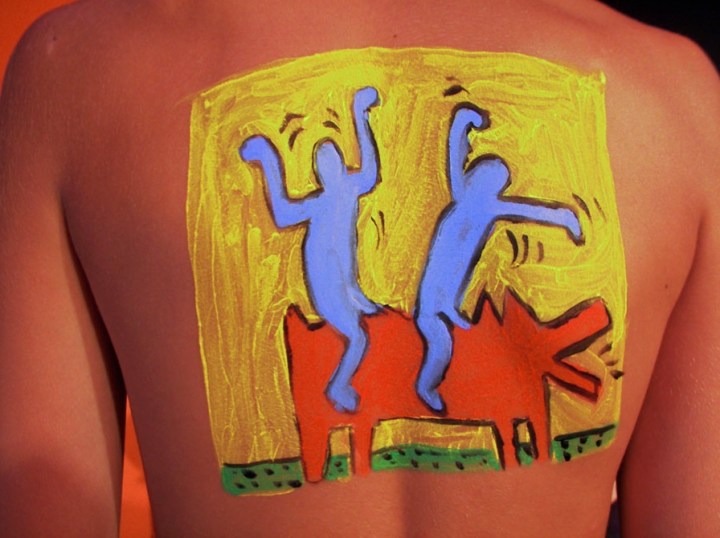
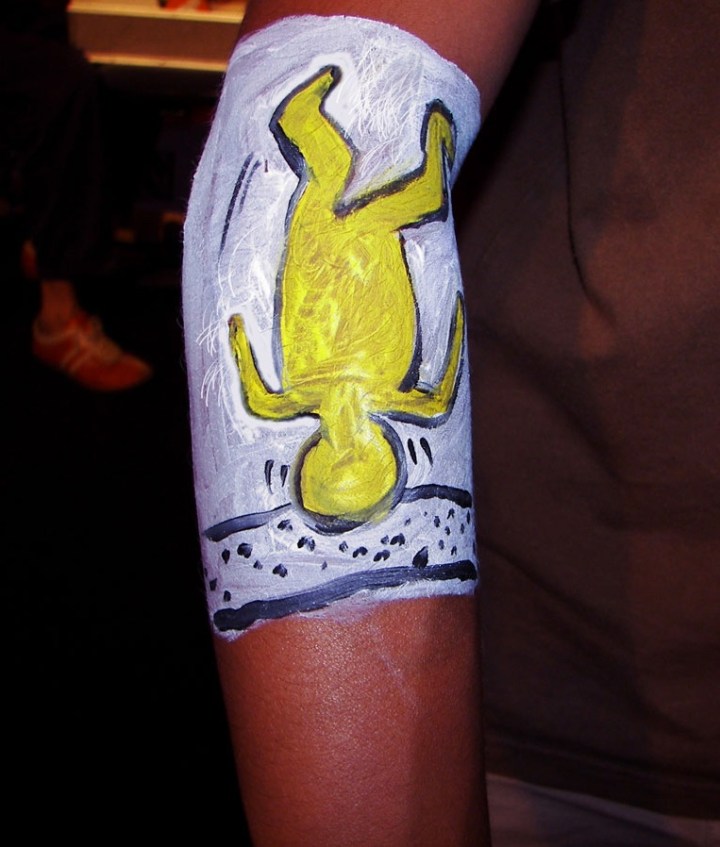
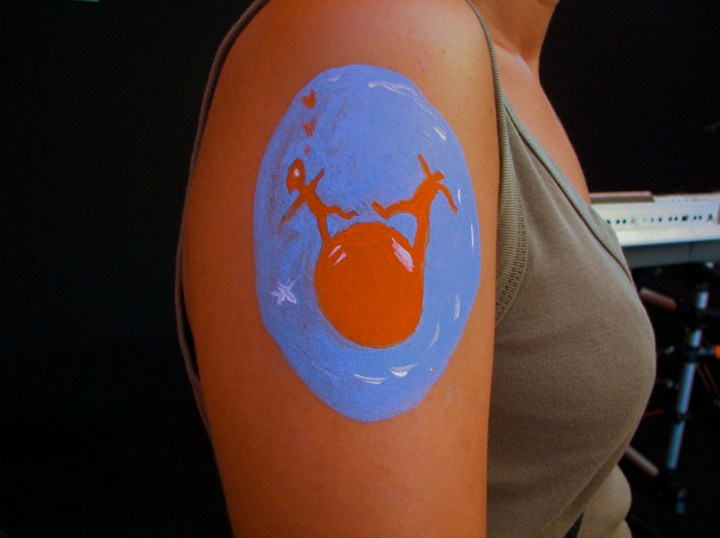
Paléo – Nyon – 2021 – Sponsor Le Matin
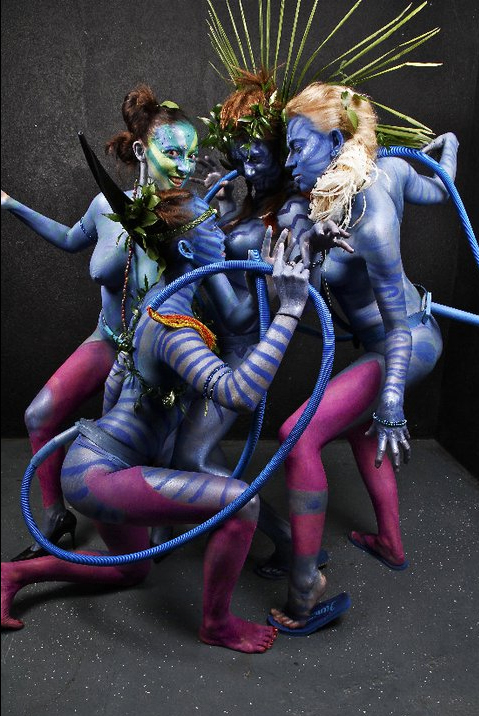
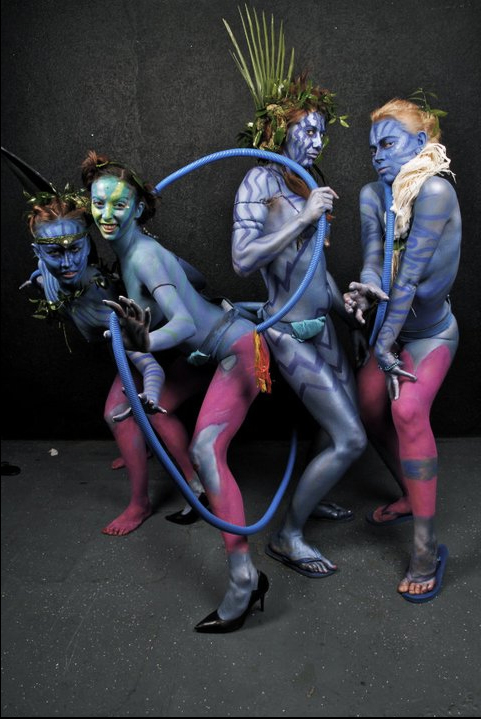
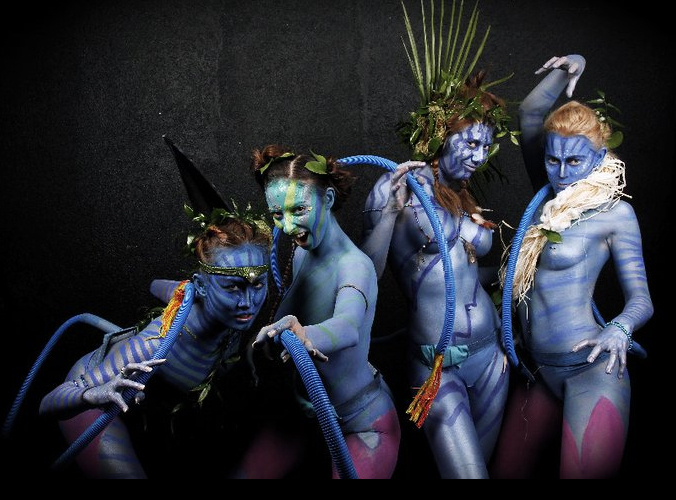
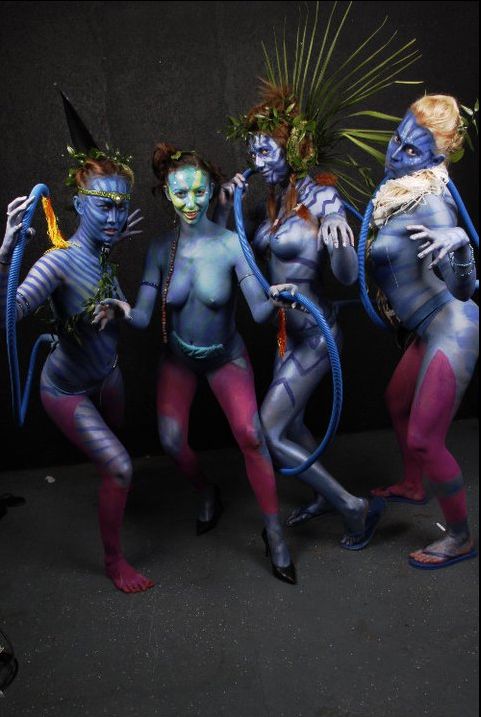
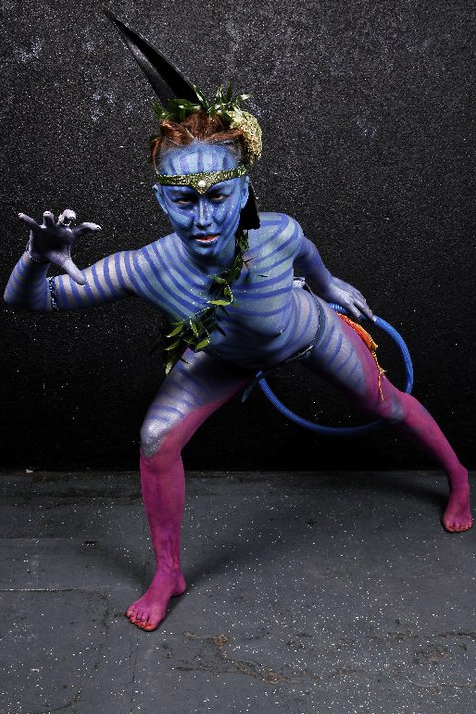
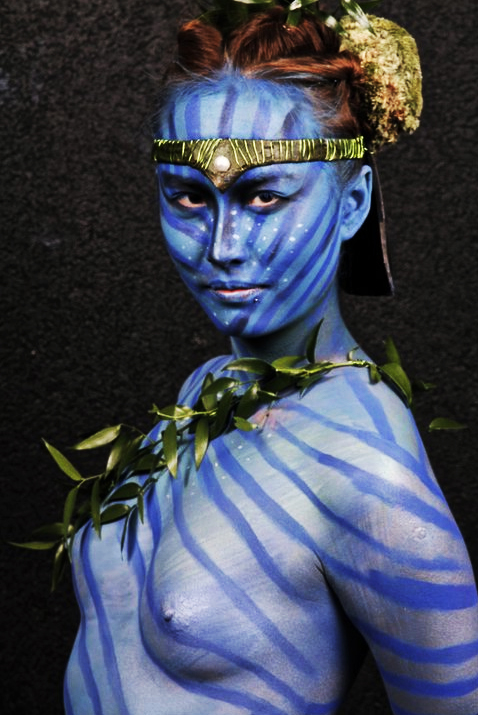
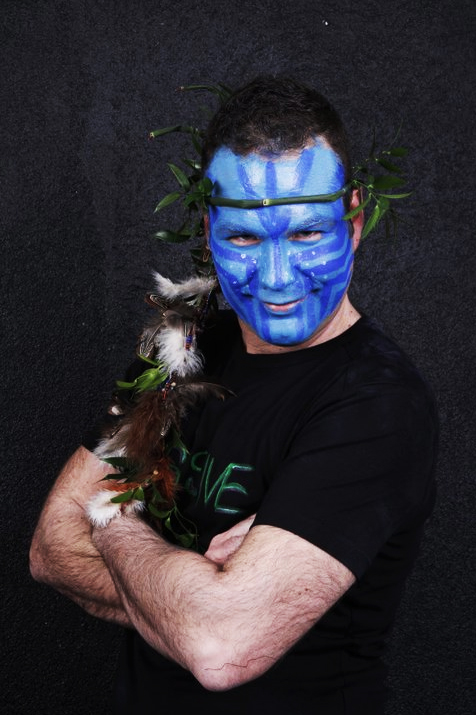
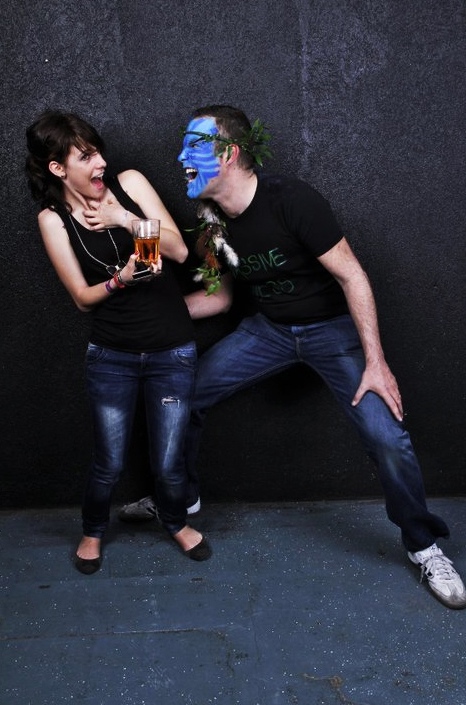
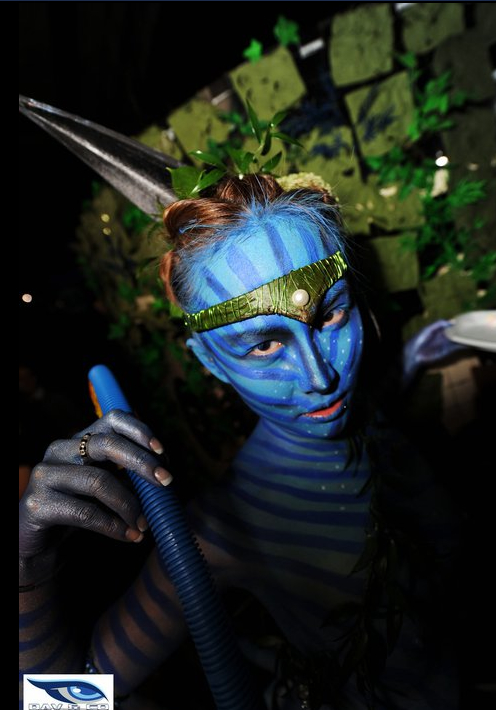
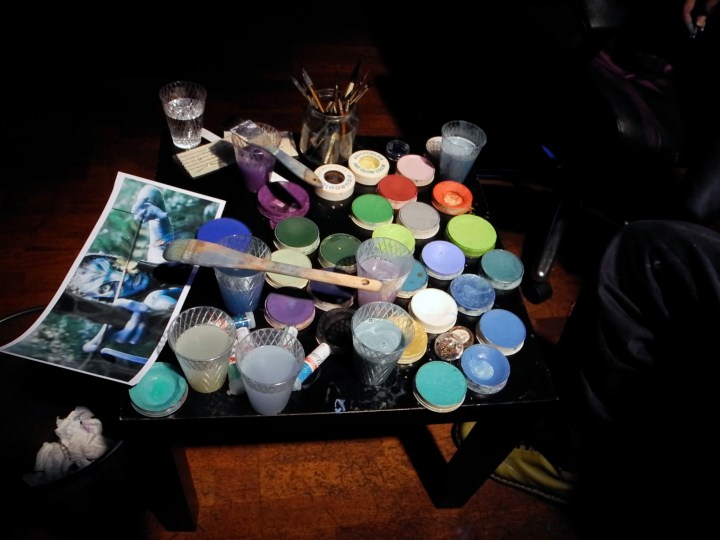
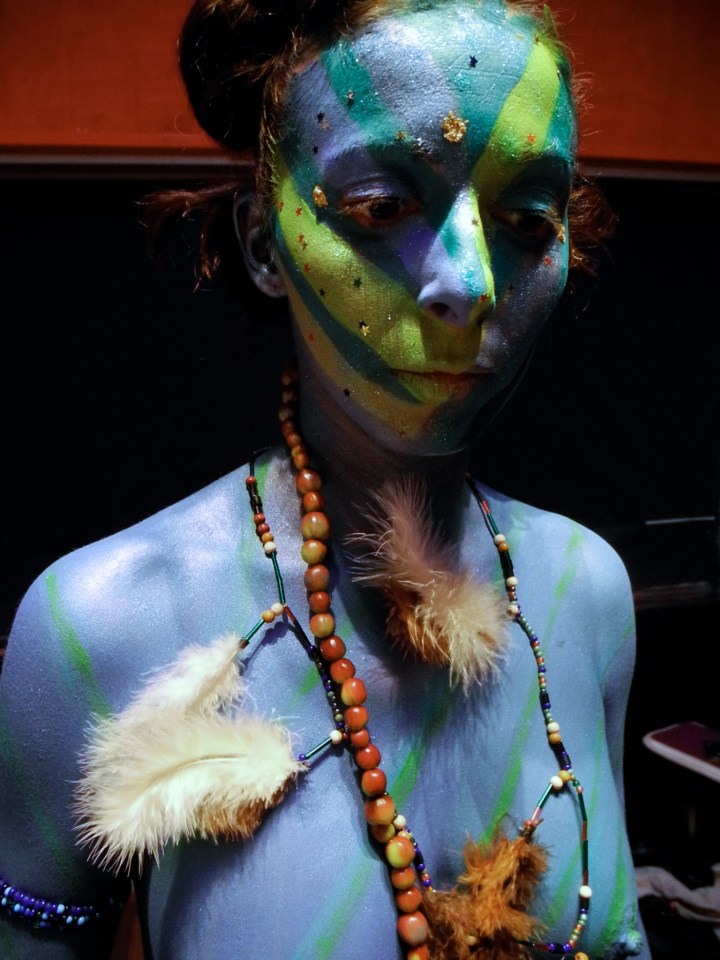
MOA Club – Geneva – 2011
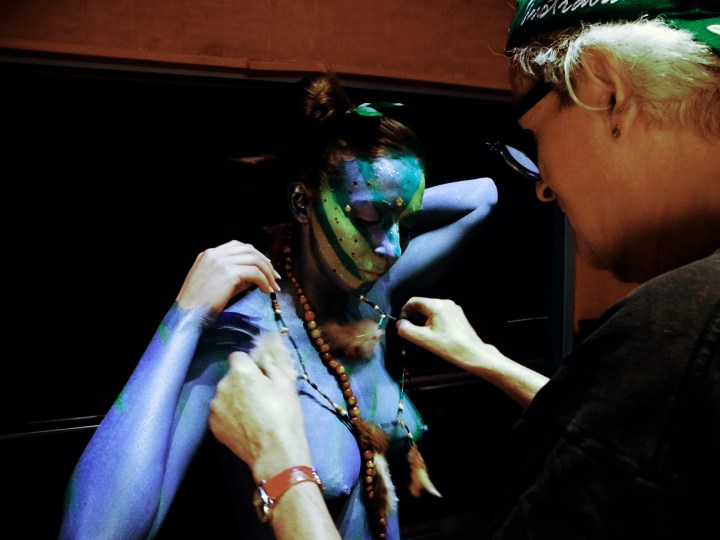
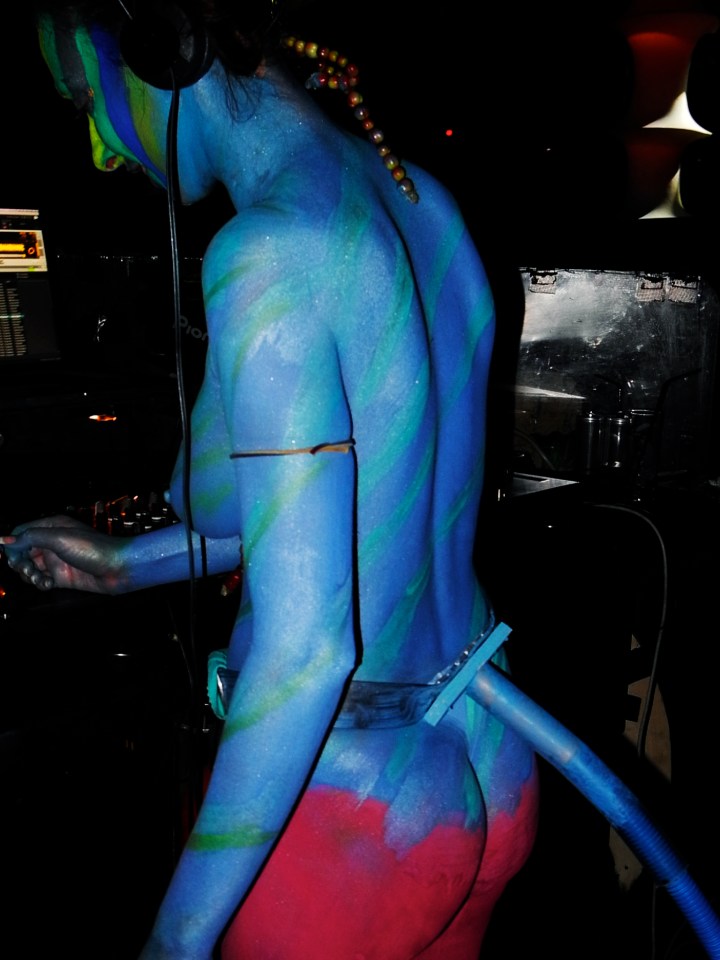
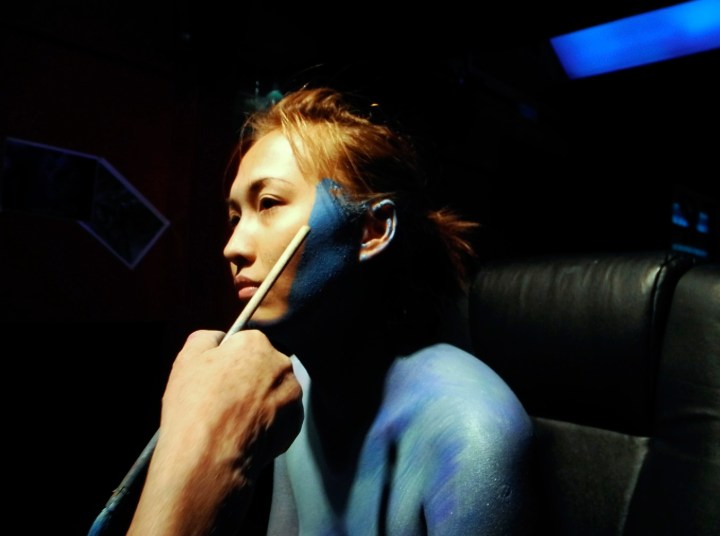
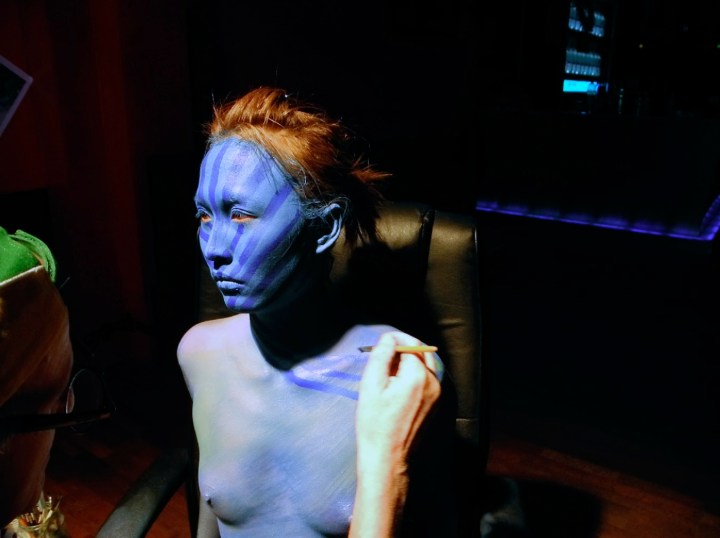
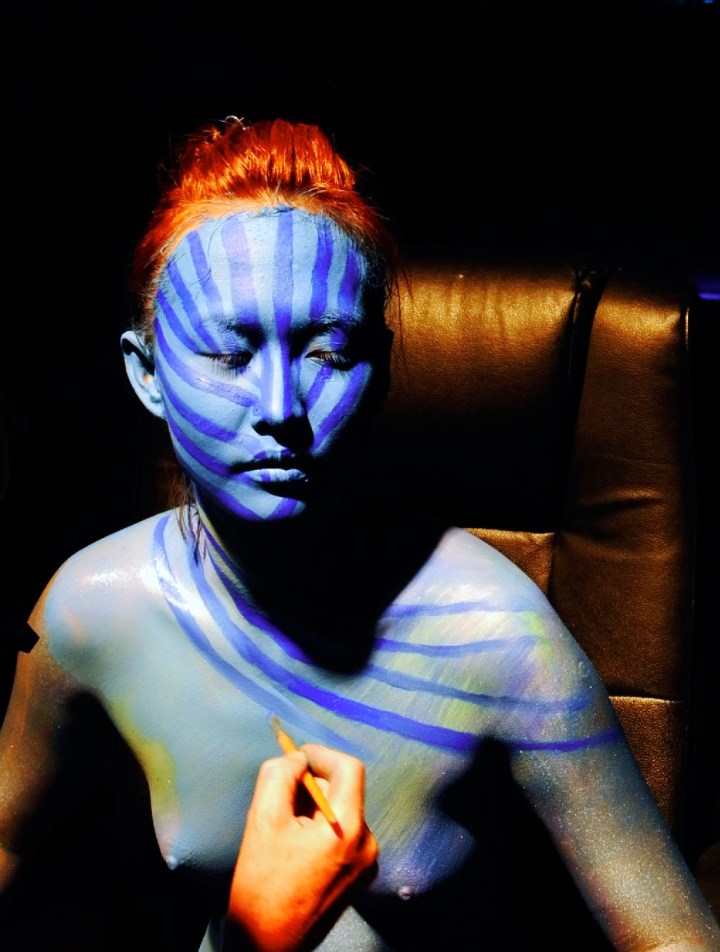
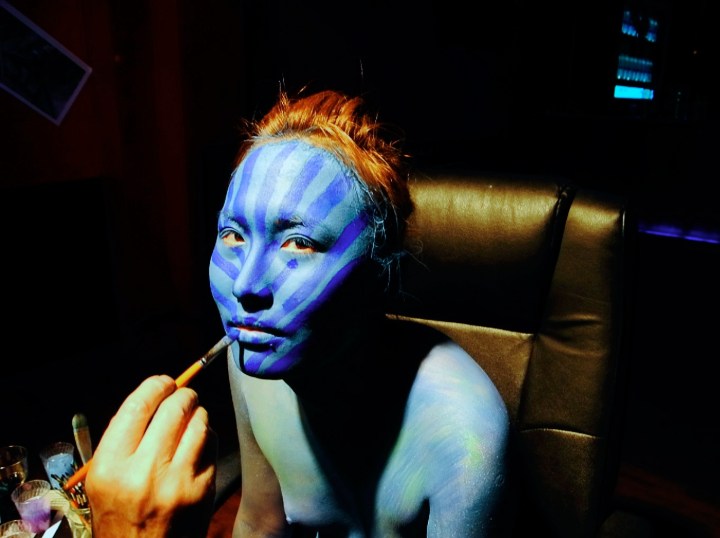
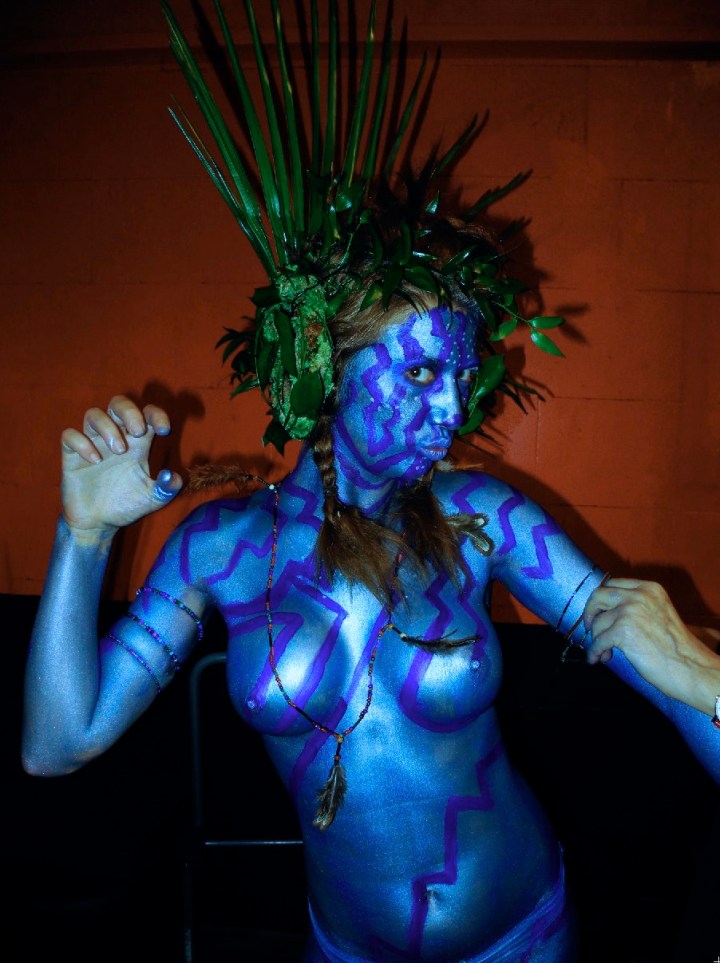
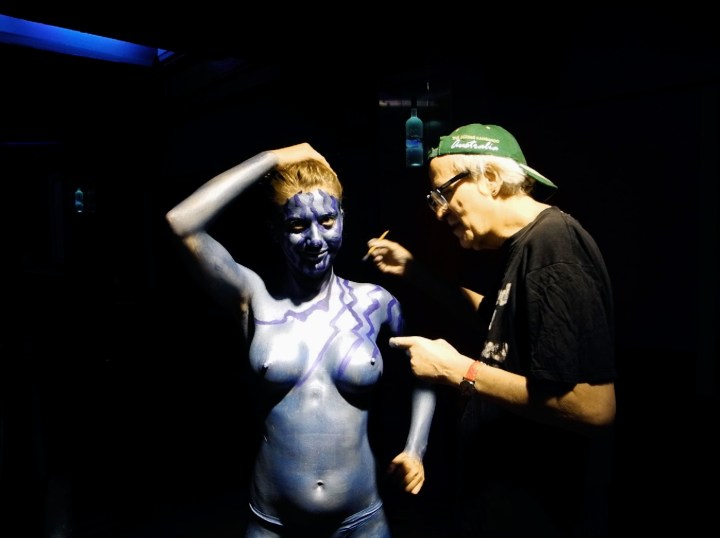
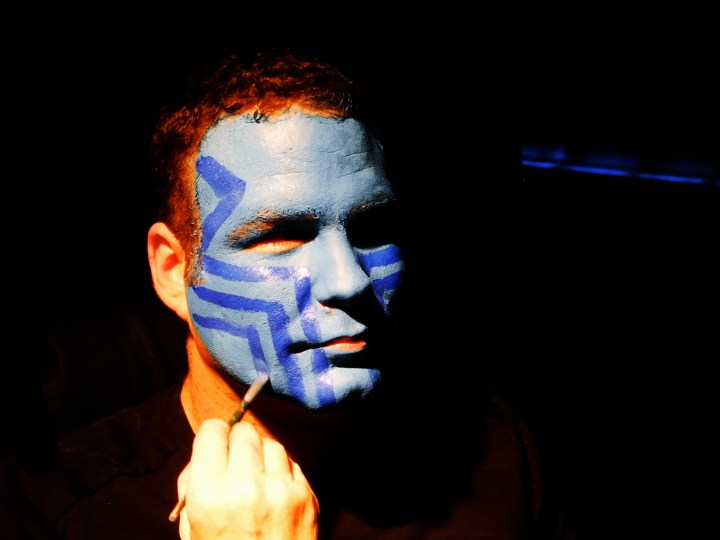
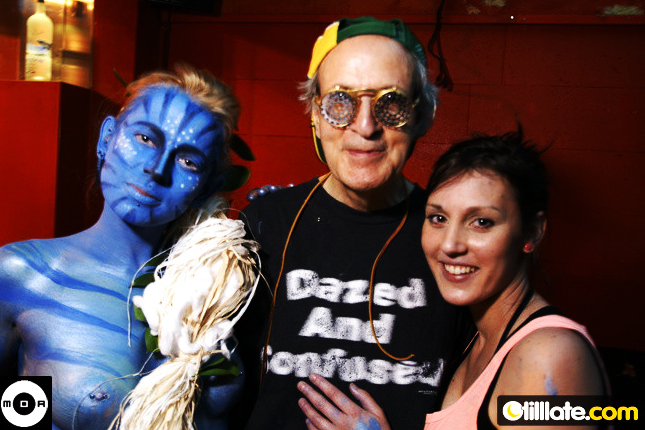
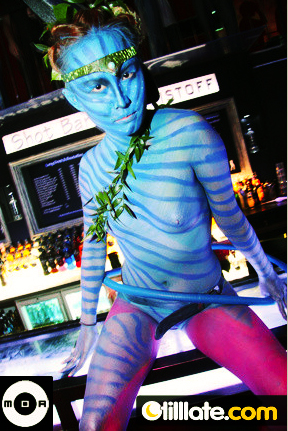
MOA Club – Geneva – 2011
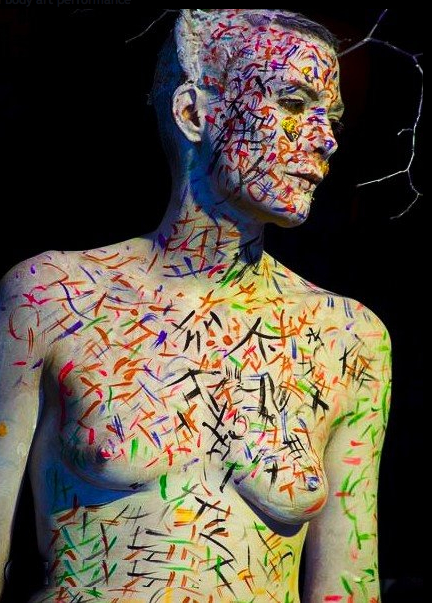
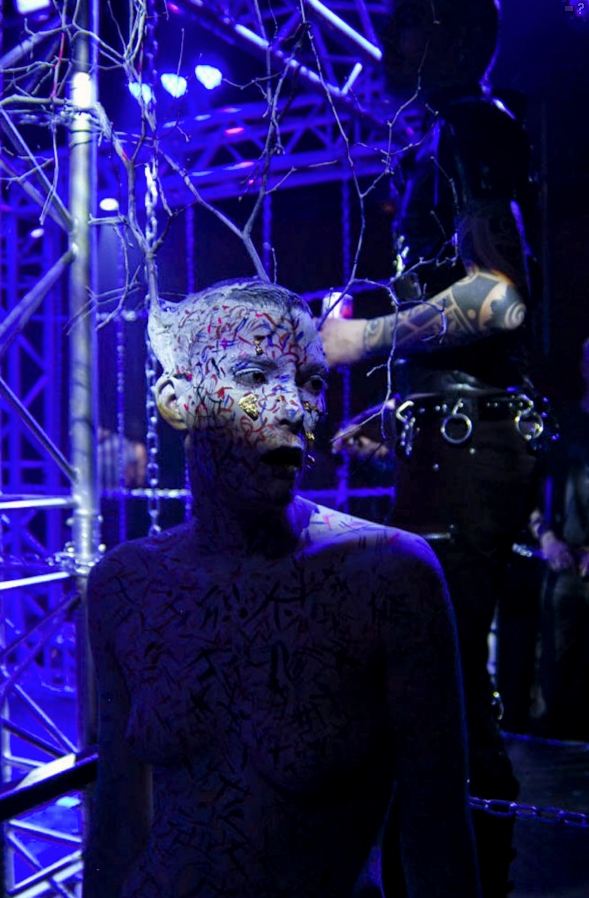
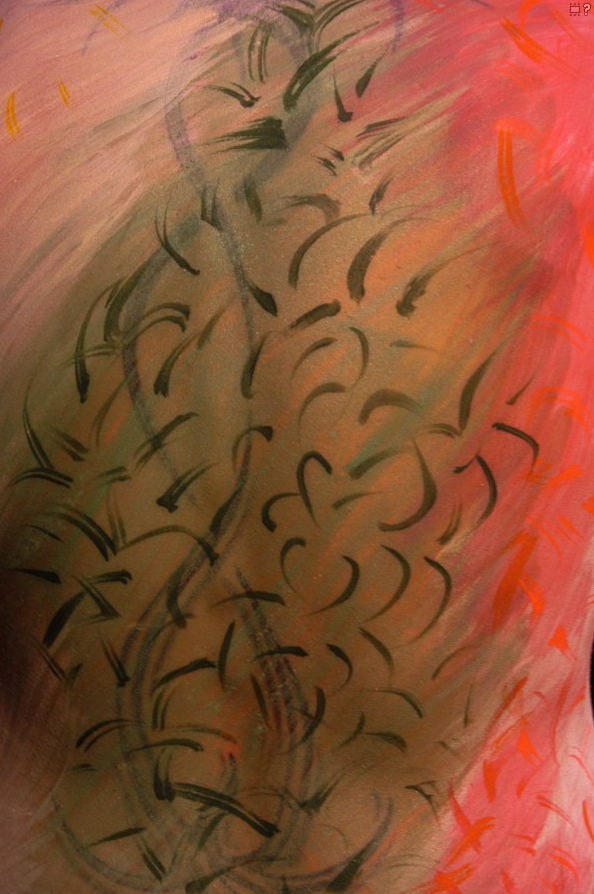
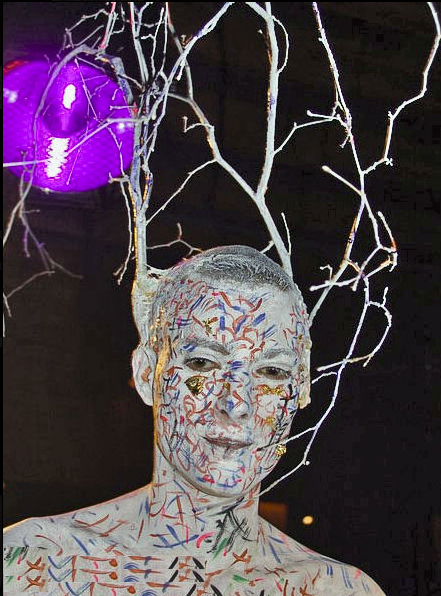
MAD ZAPOFF – Lausanne – 2007
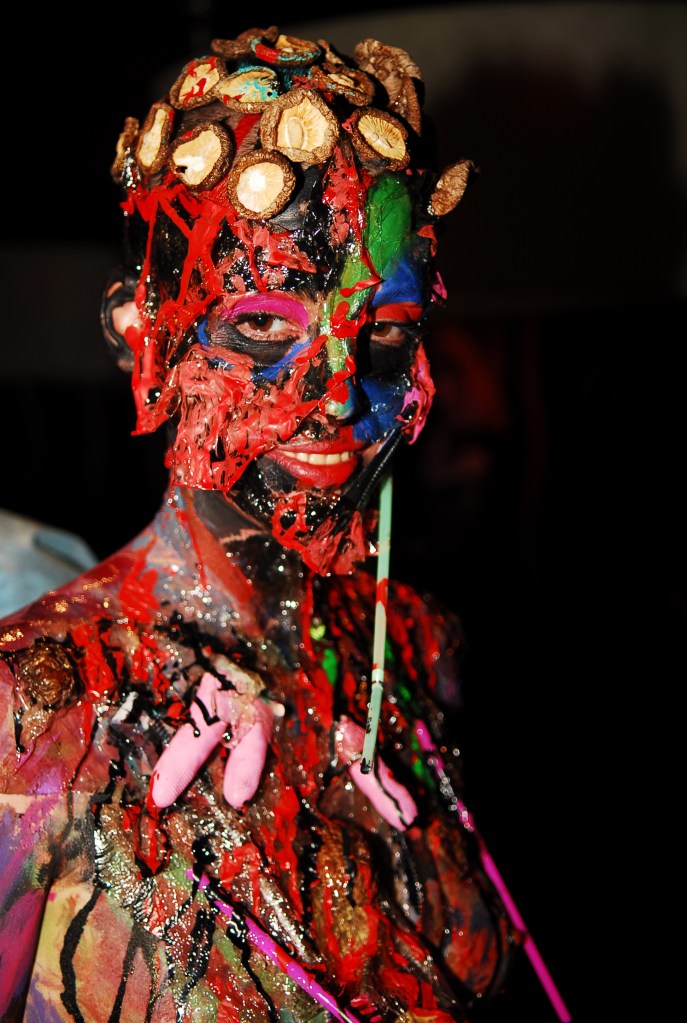
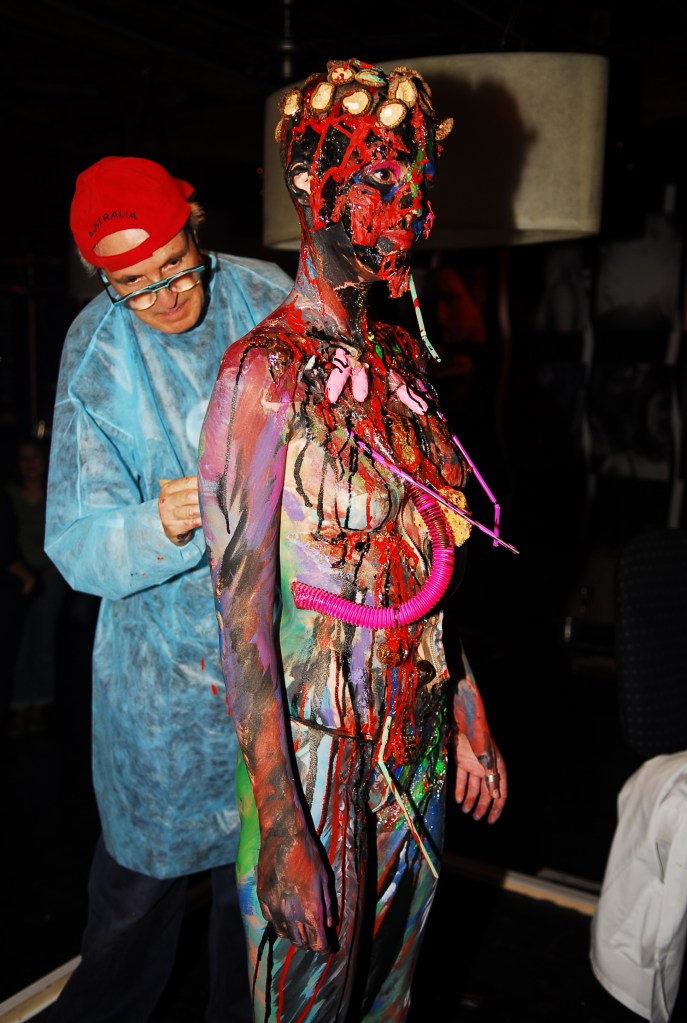
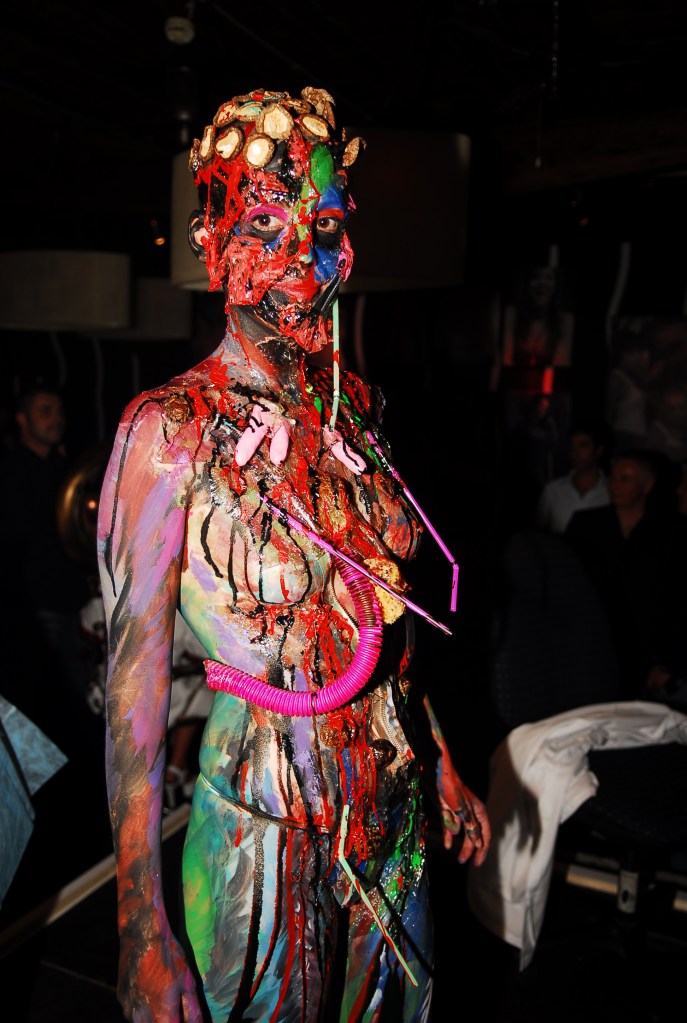
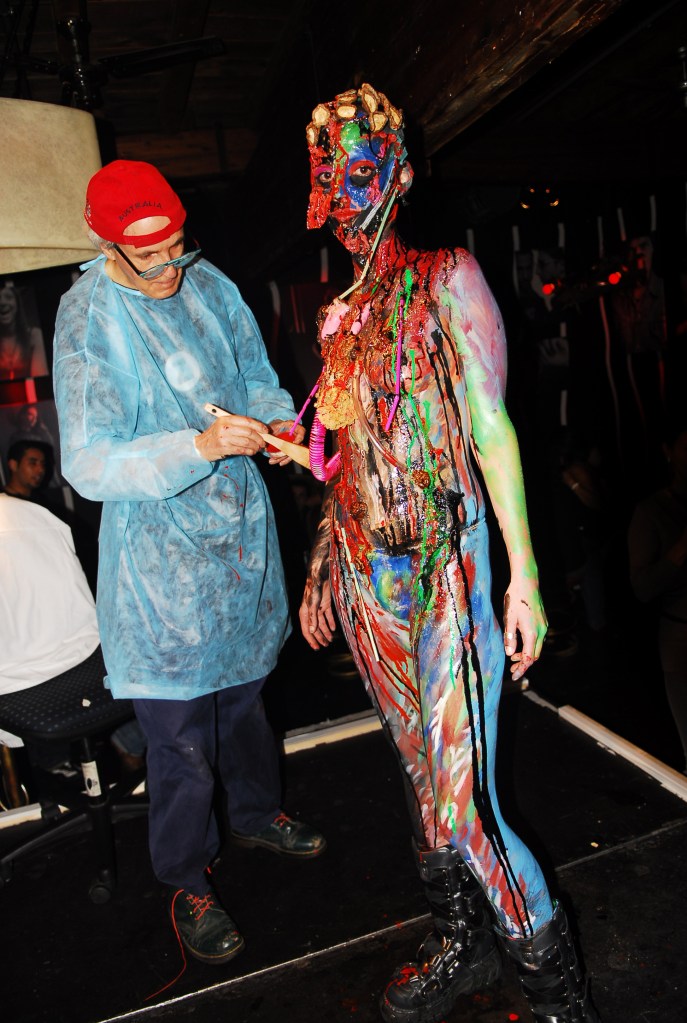
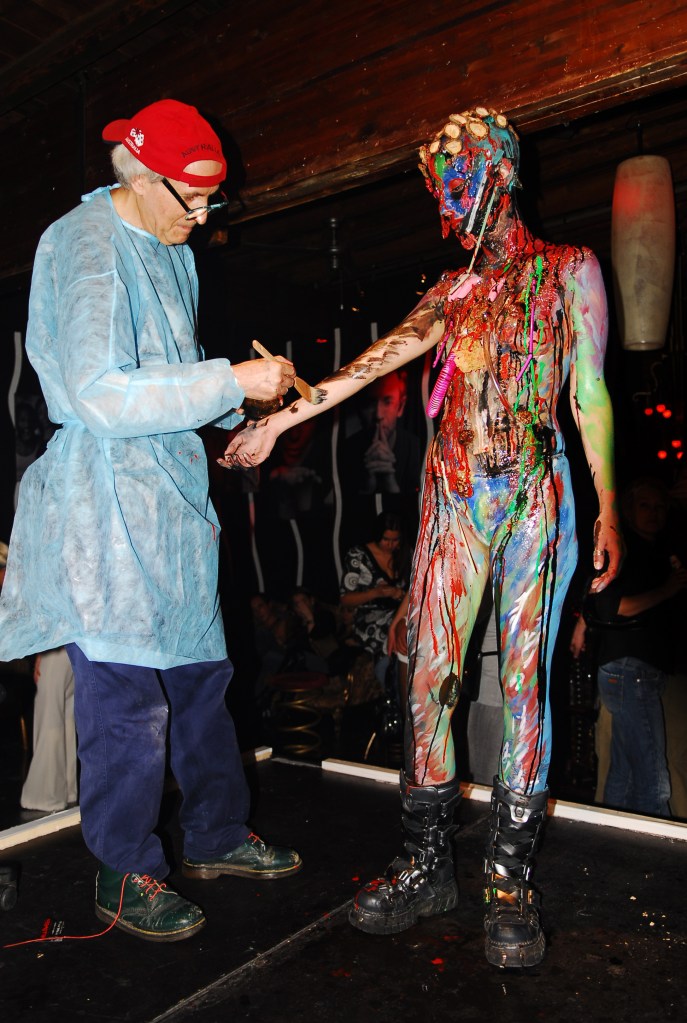
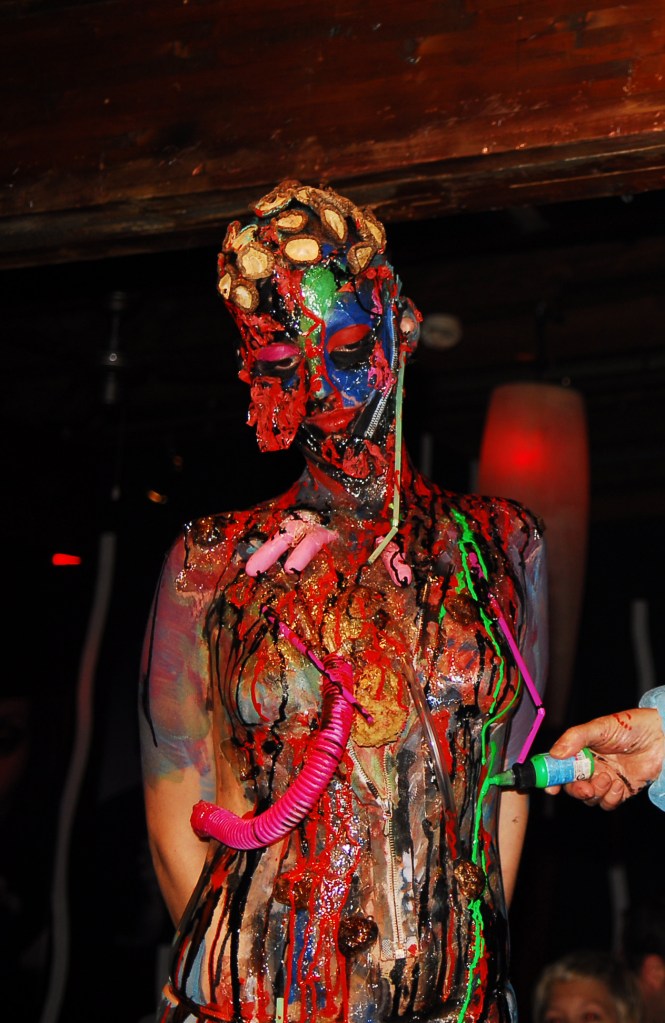
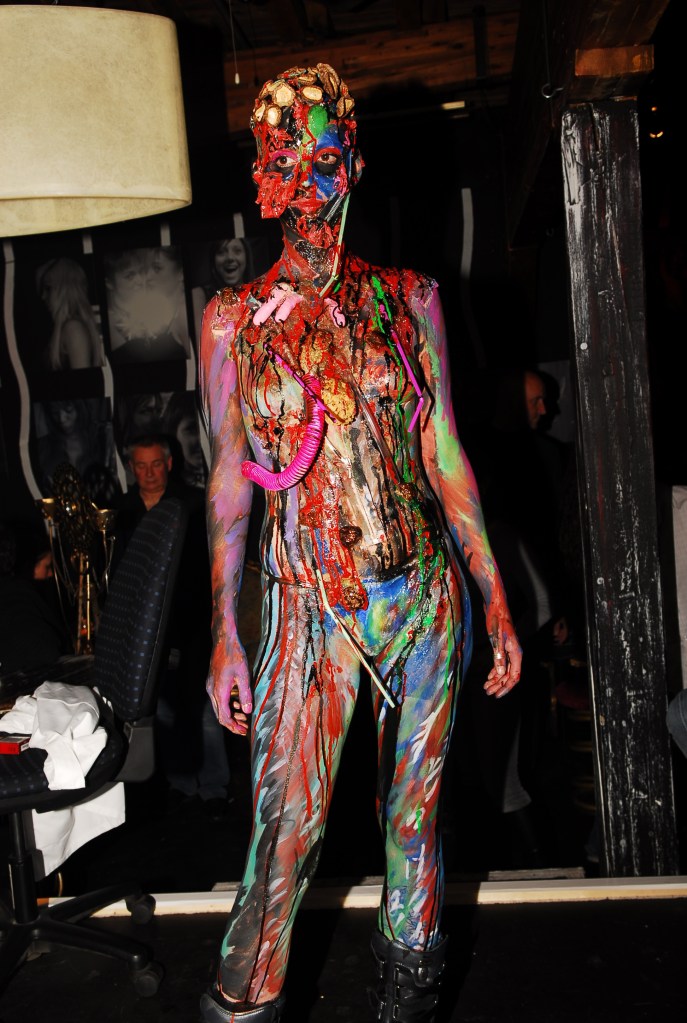
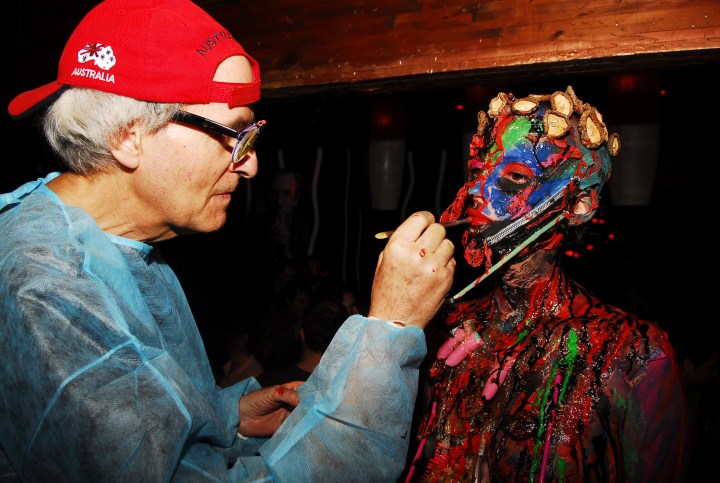
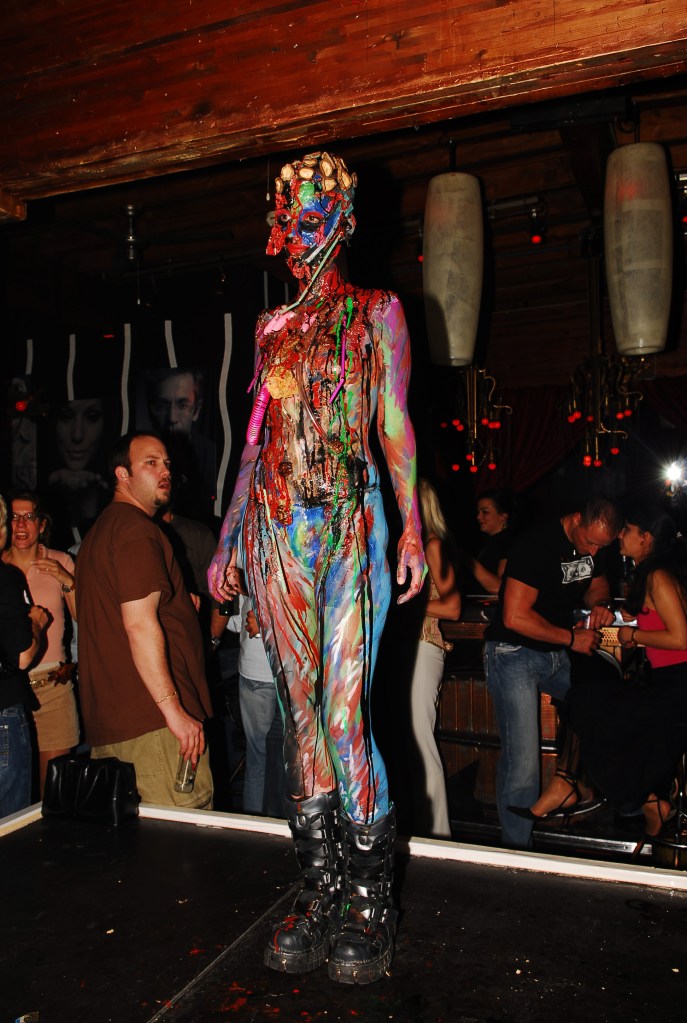
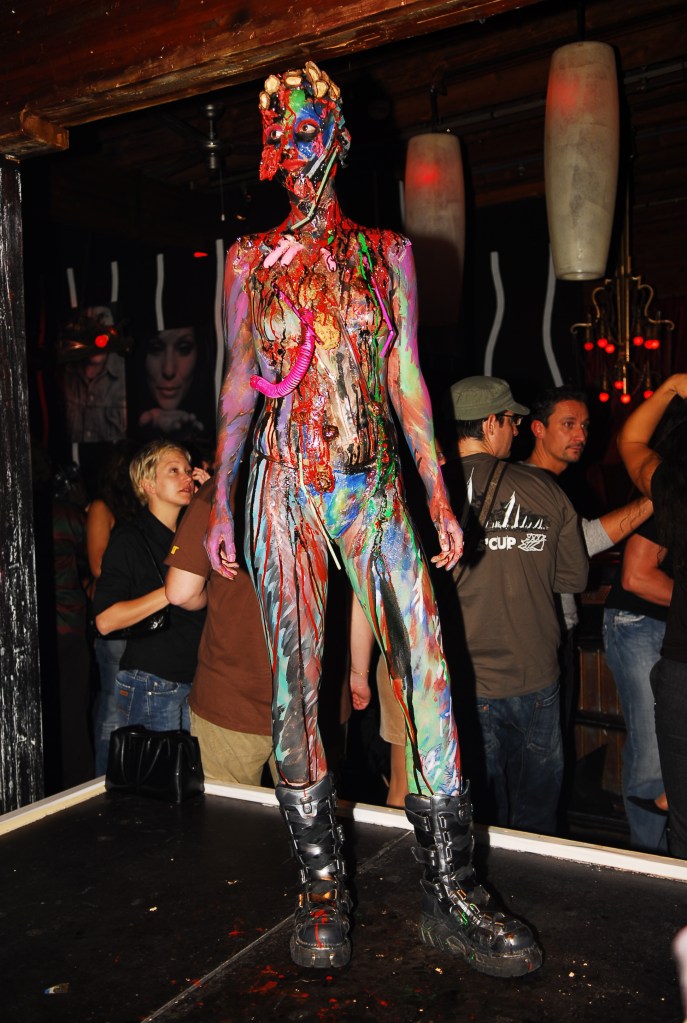
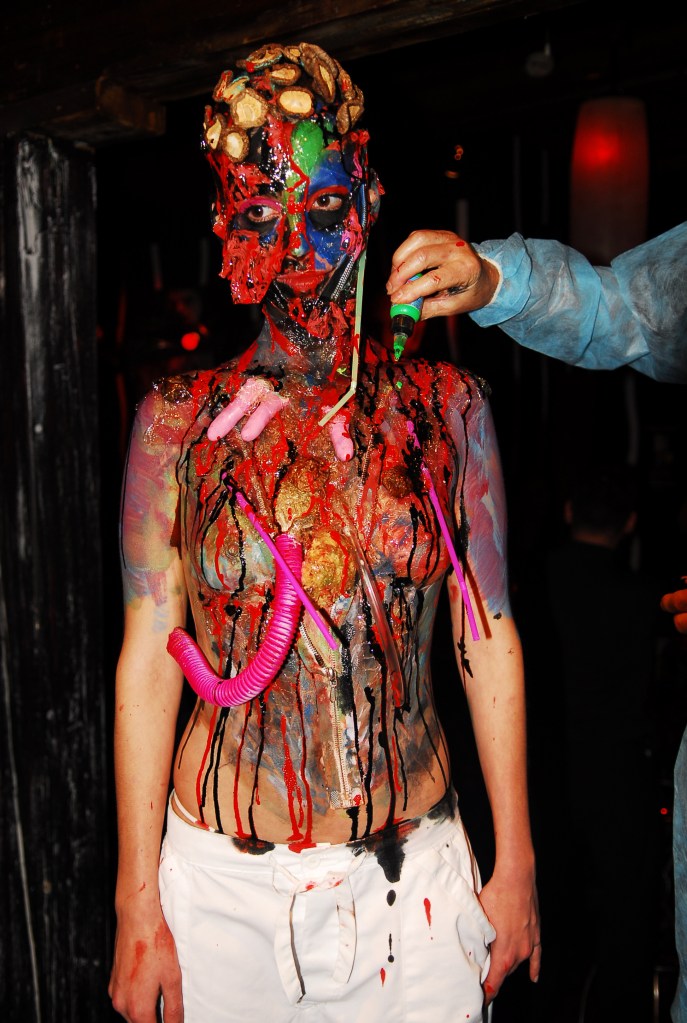
MAD ZAPOFF – Lausanne – 2006 – photography Estelle Kromah
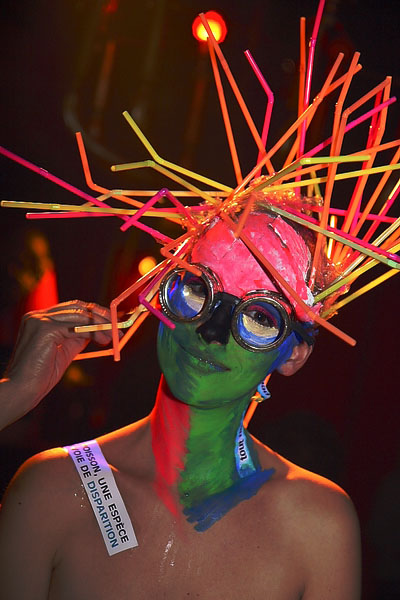
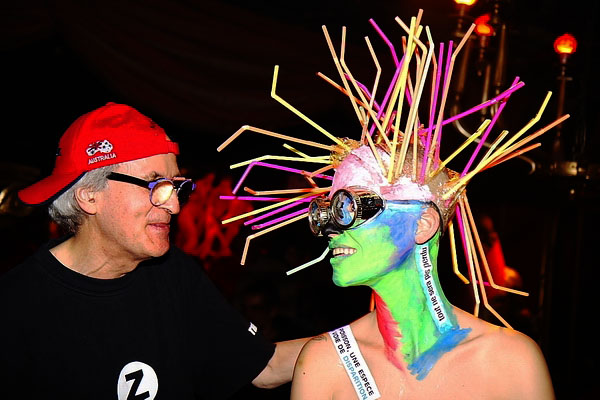
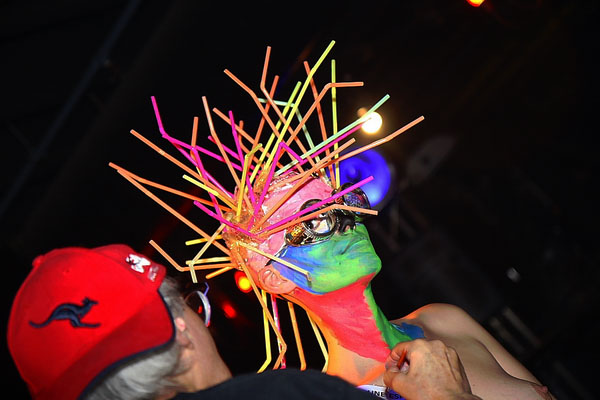
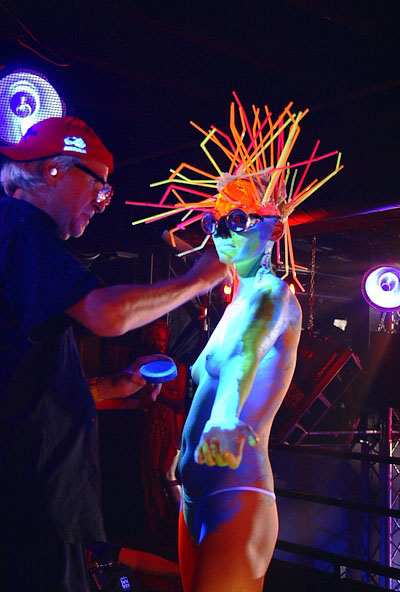

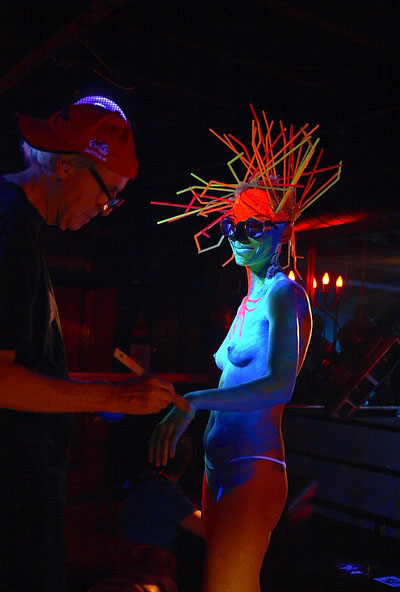
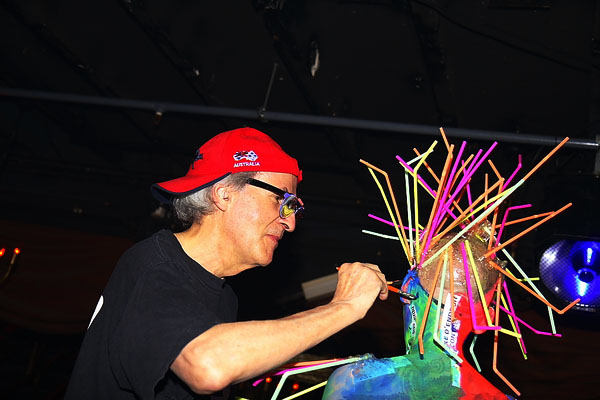
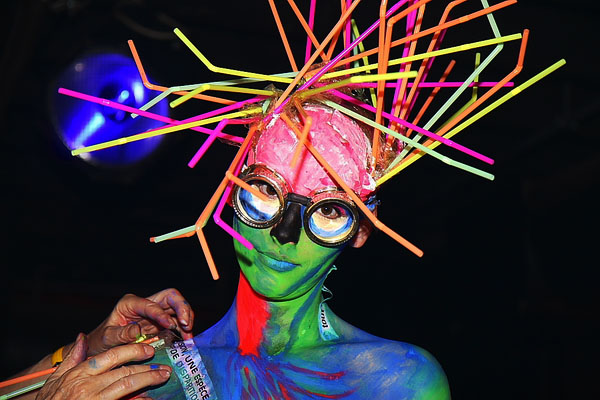
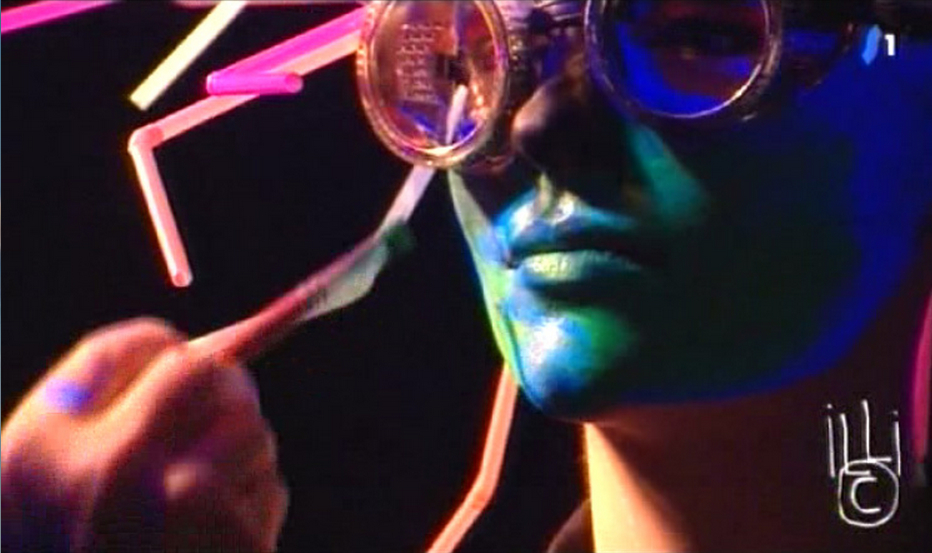
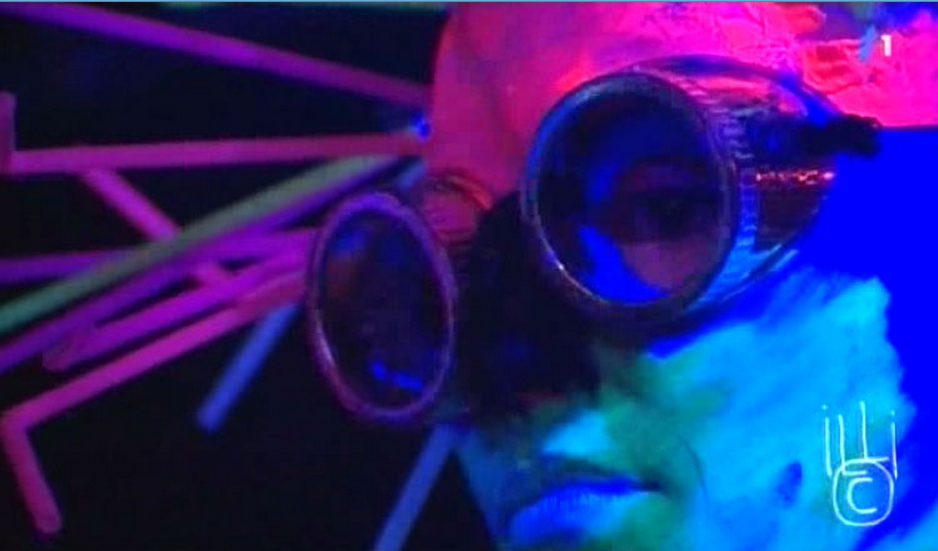
MAD – Lausanne – 2006 – Report from TSR Culture television – Illico – 11.01.2007
Mad – Lausanne Stop Aids (Jungle Mad) – 3.12.2005
Amnesia Club – Lausanne – 1970
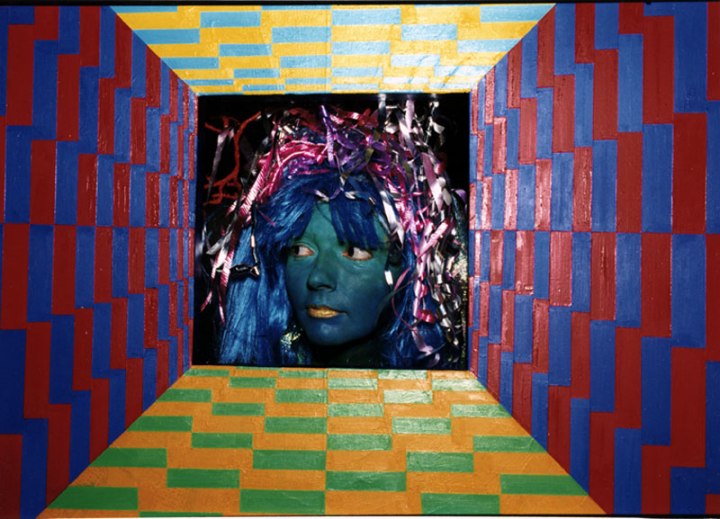
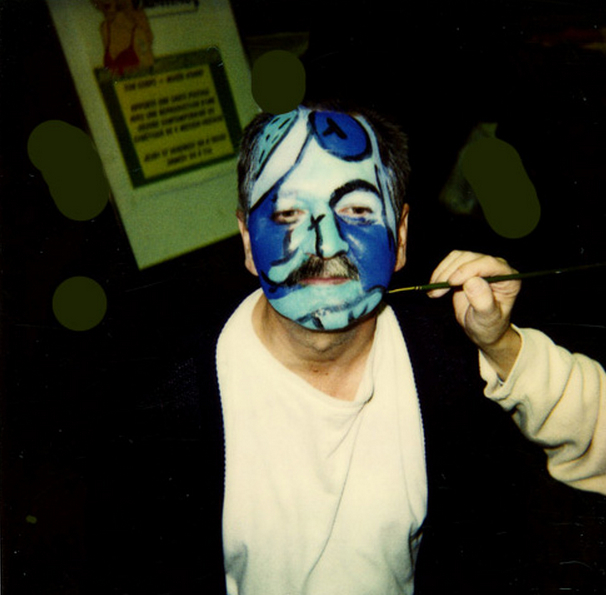
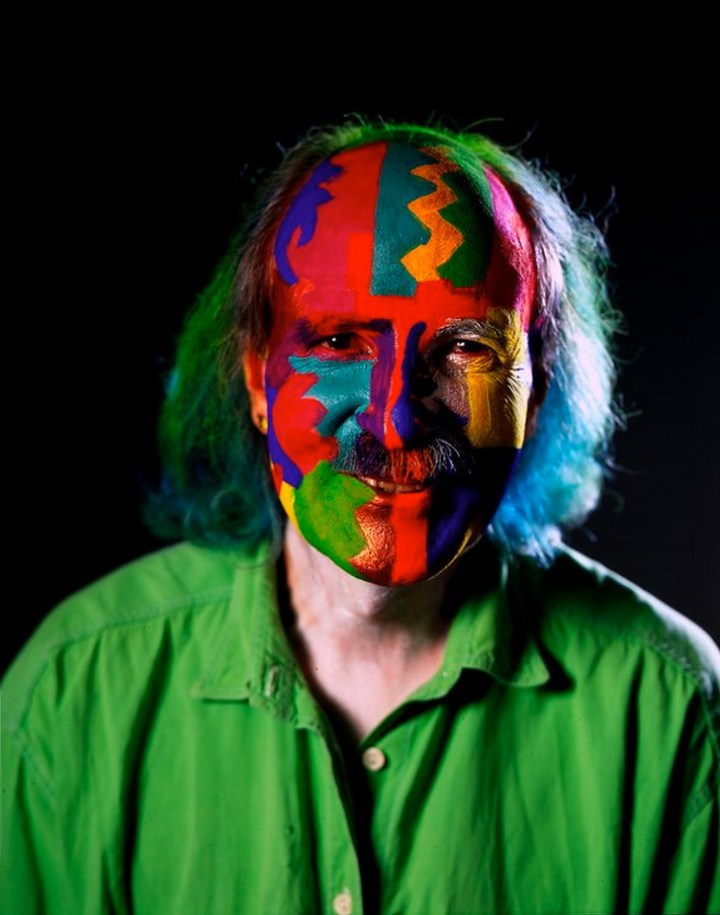
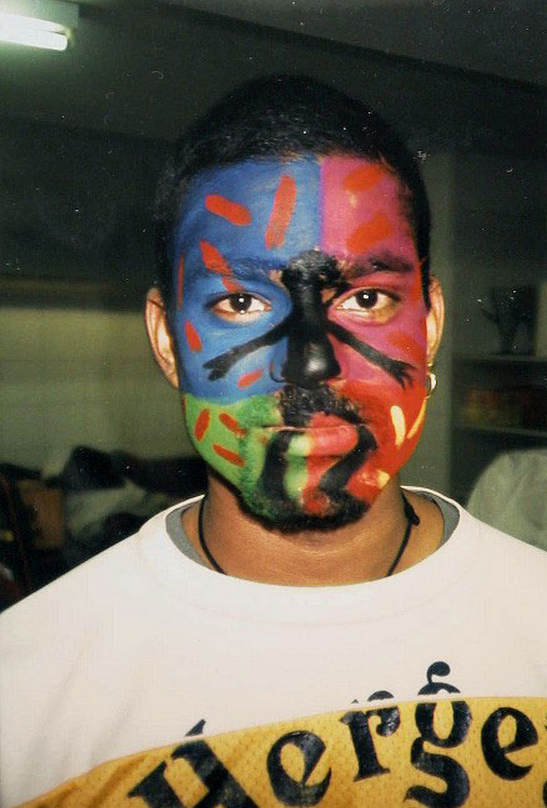
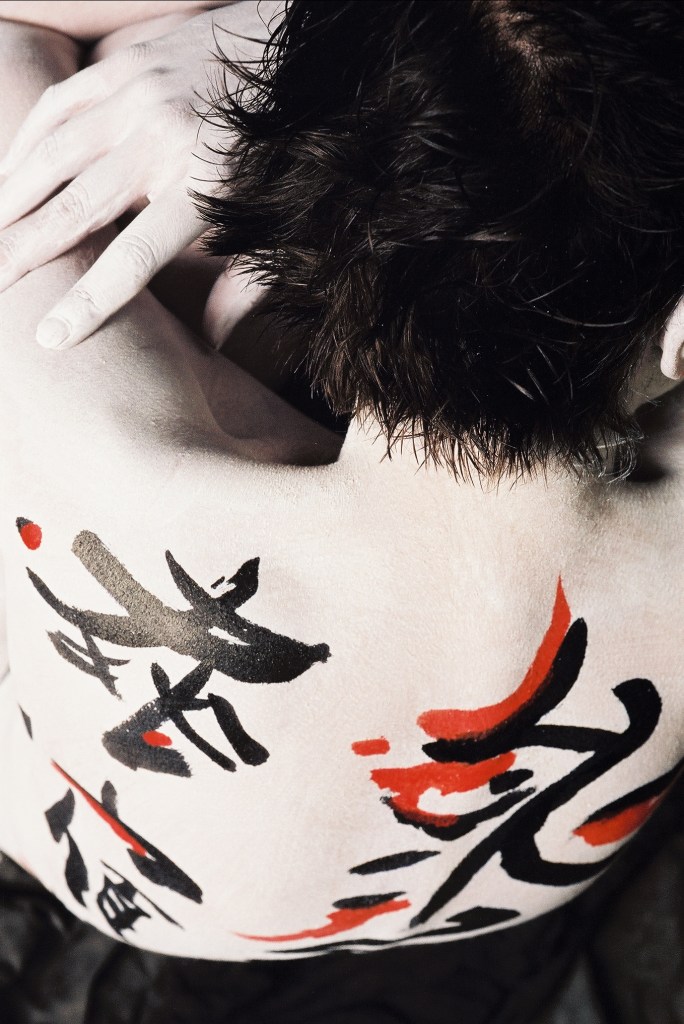
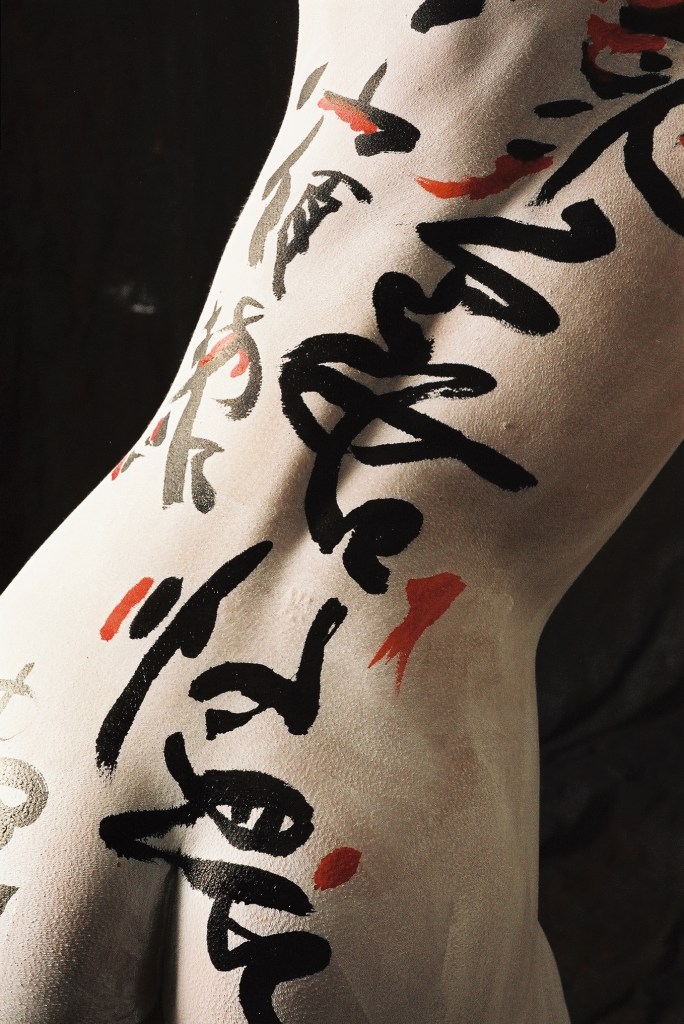
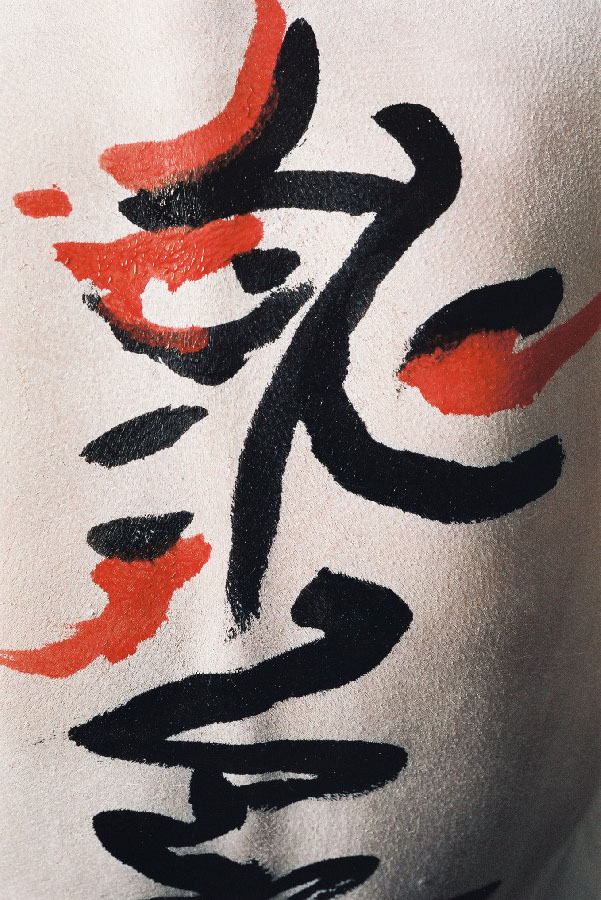
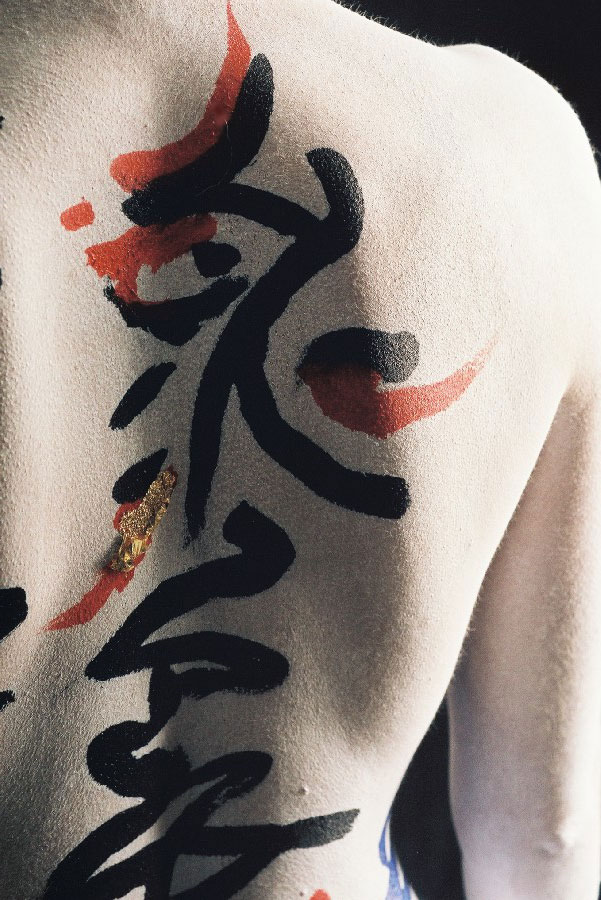
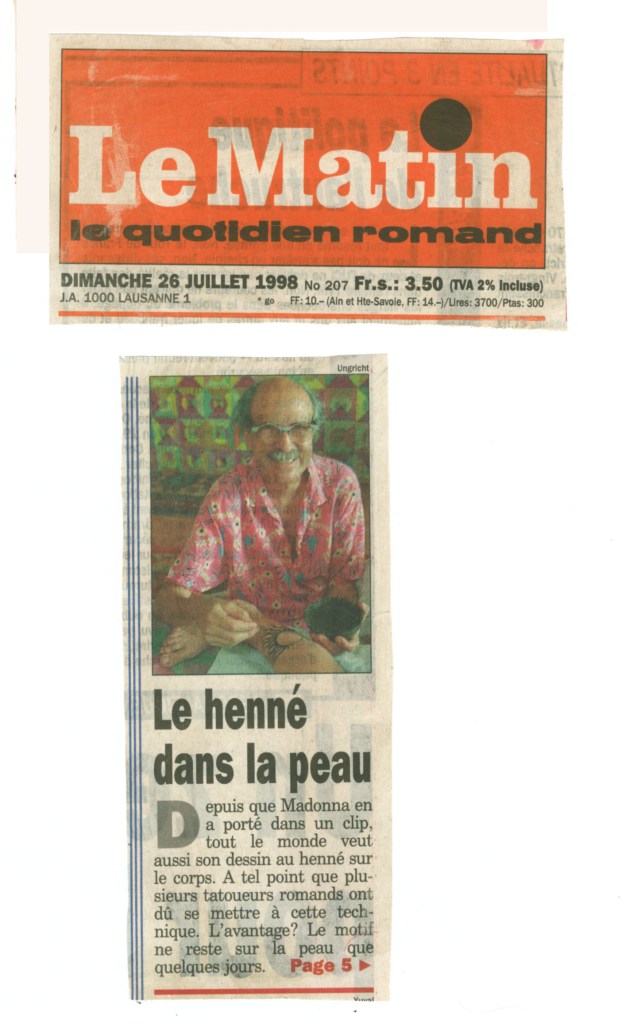
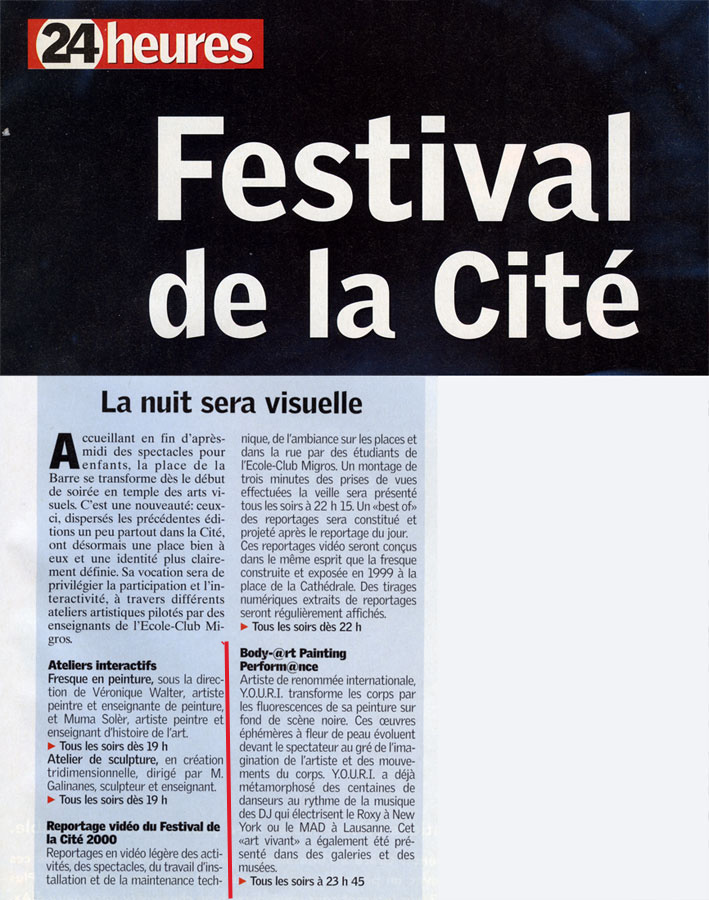
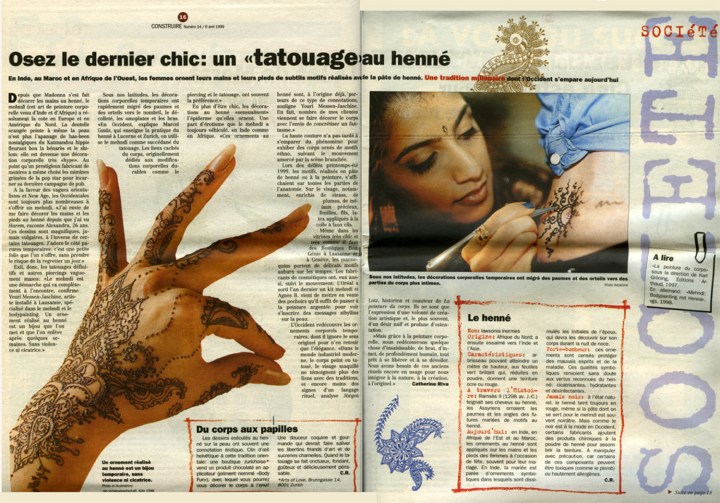
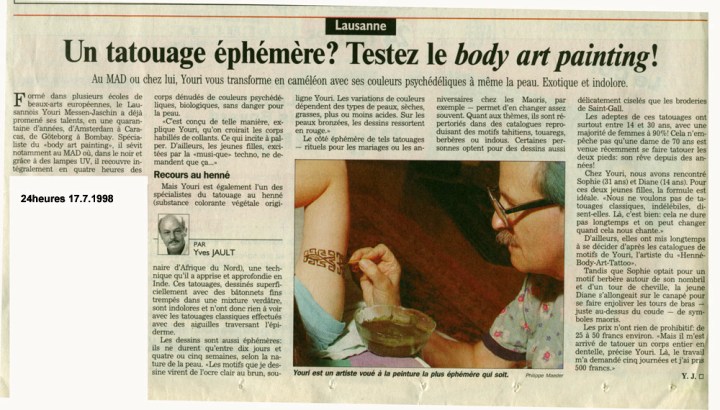
1998
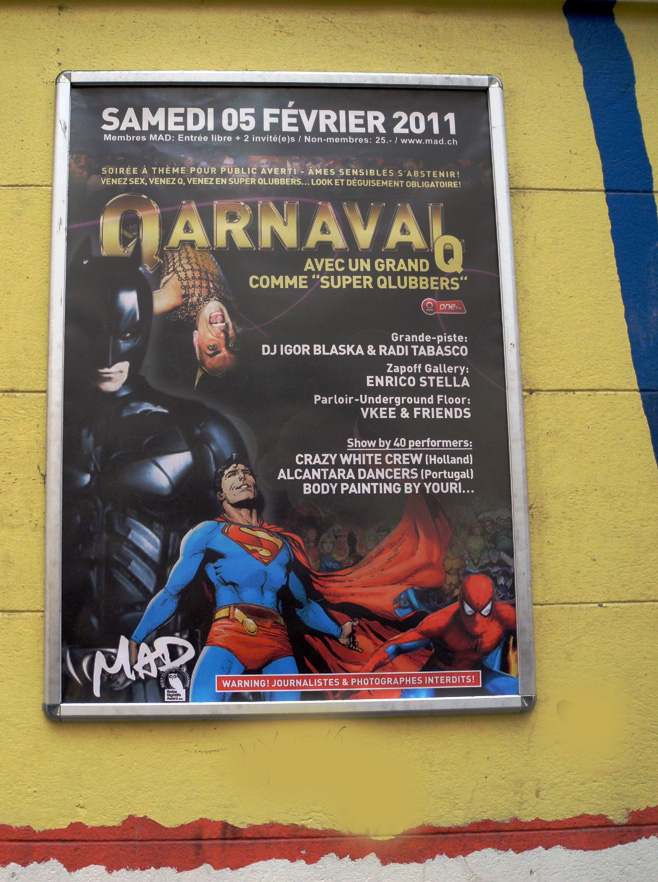
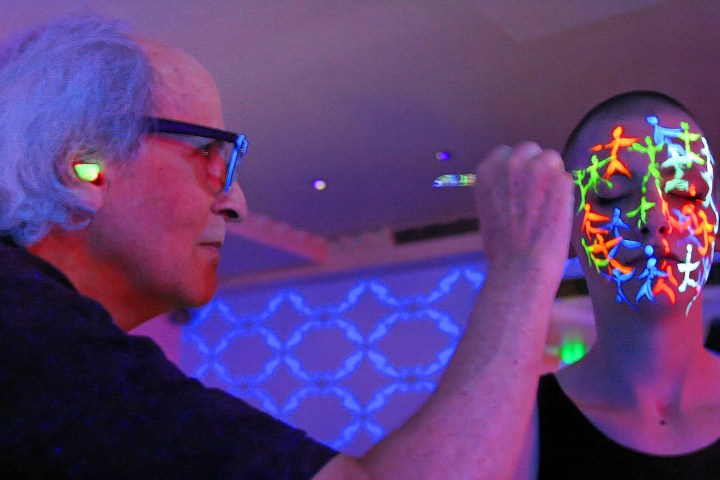
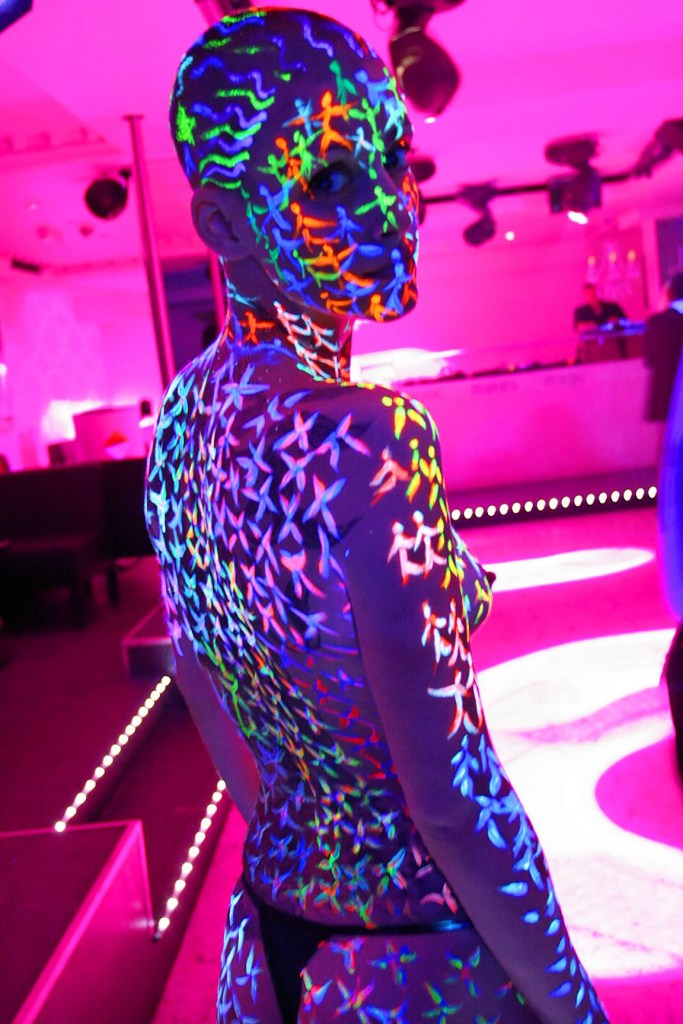
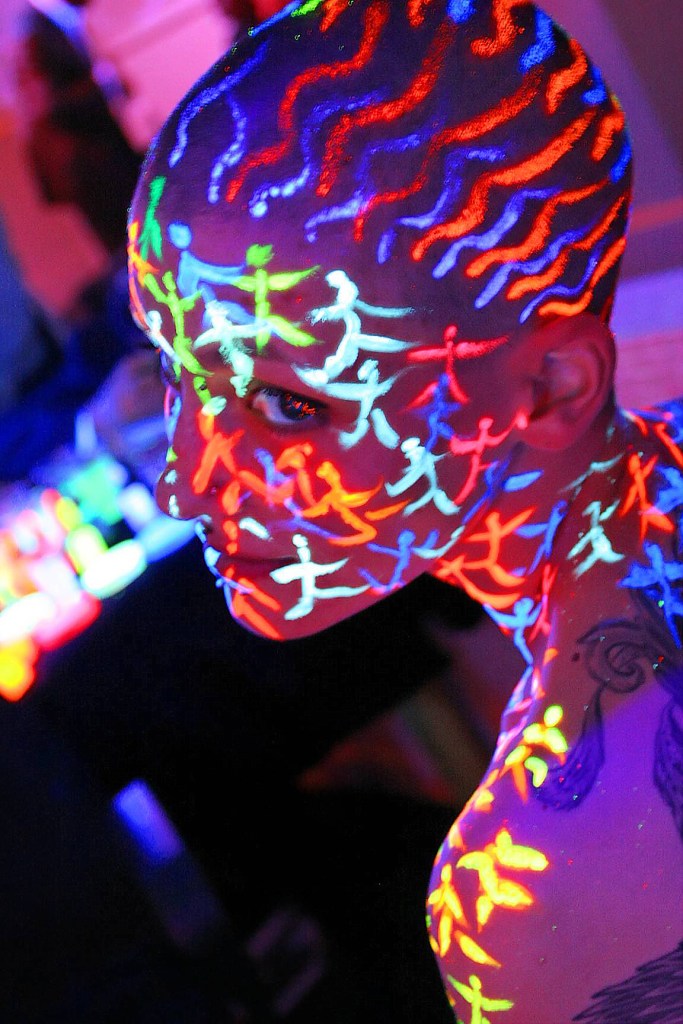
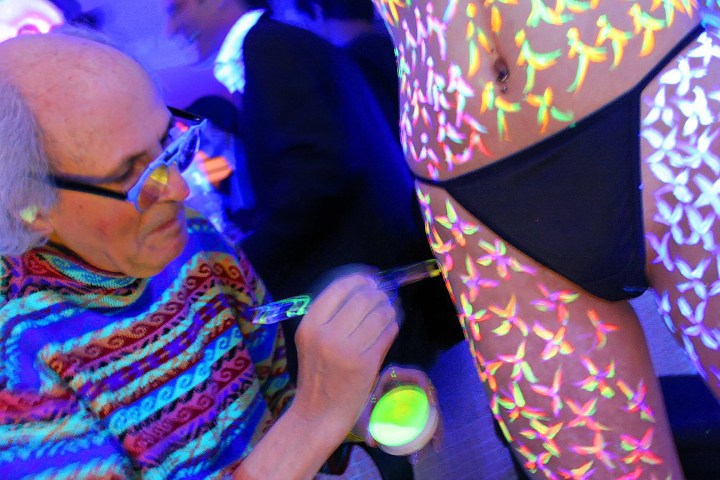
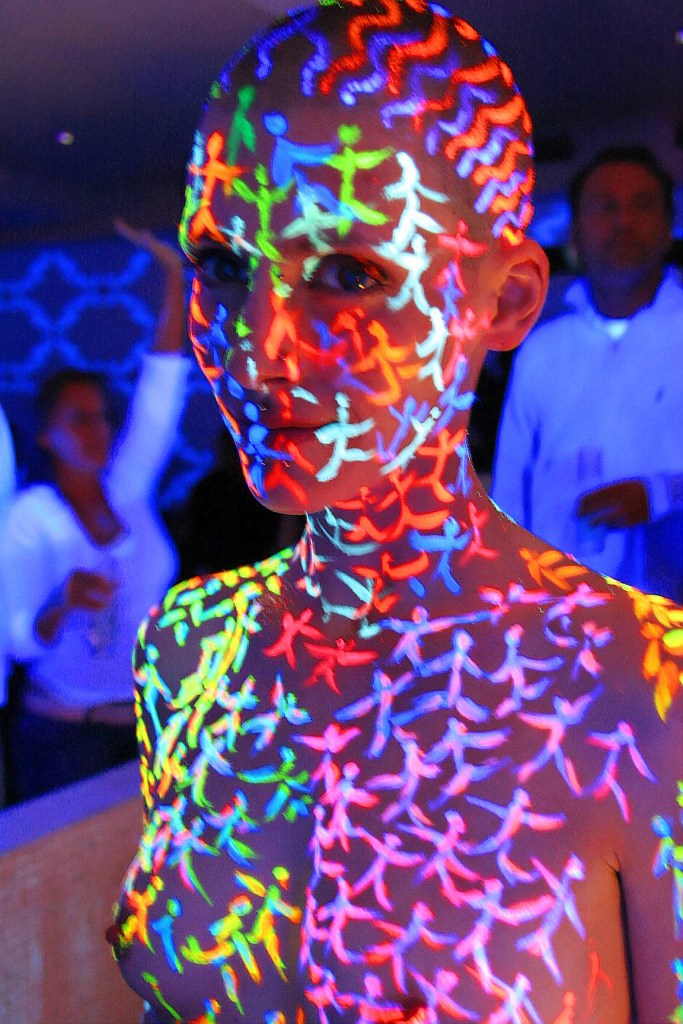
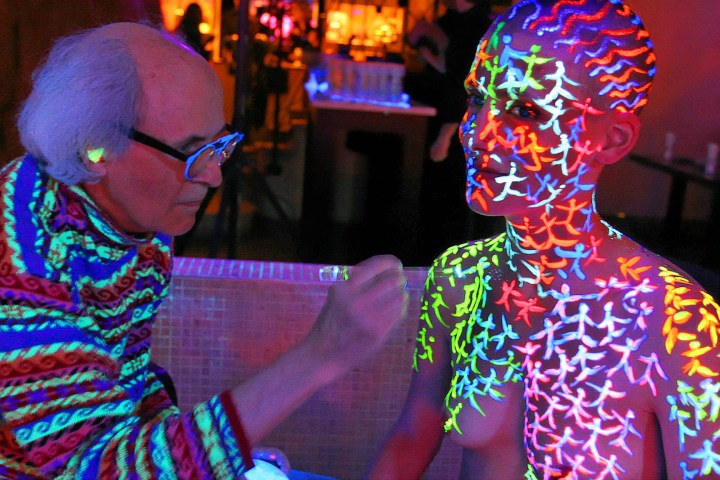
Baroque Club – Geneva – 2006
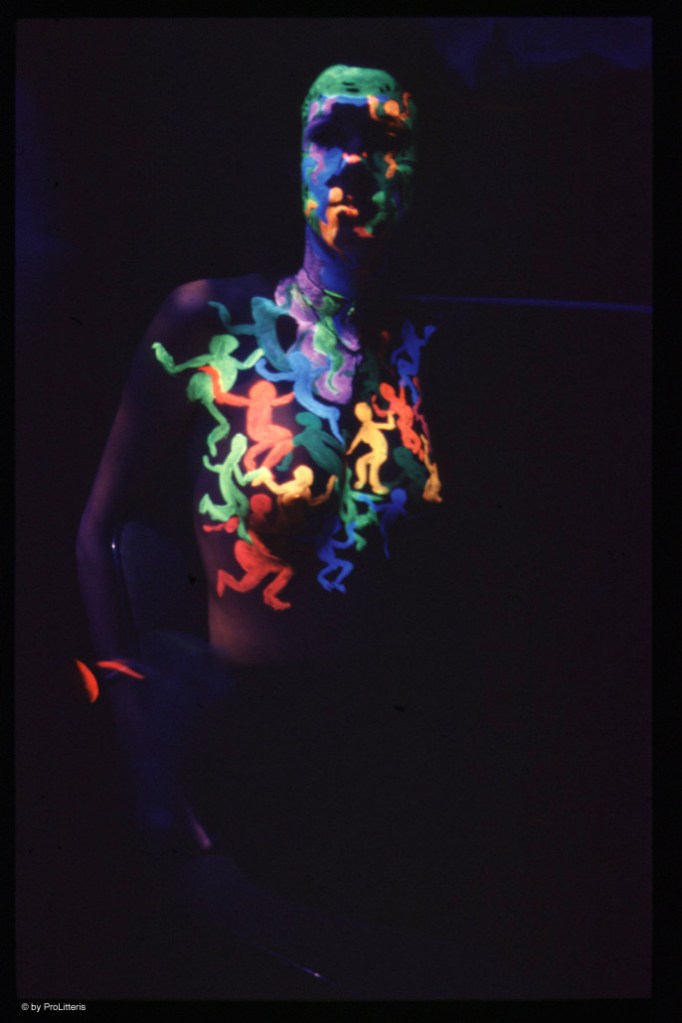
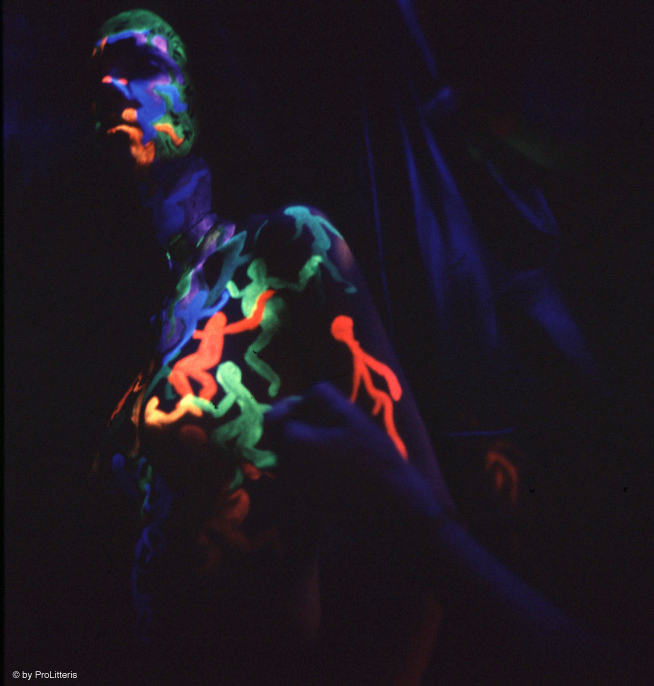
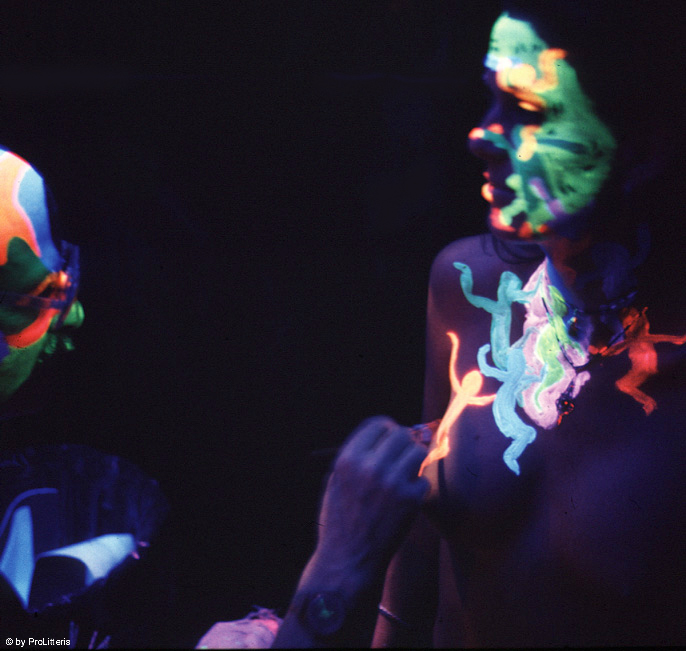
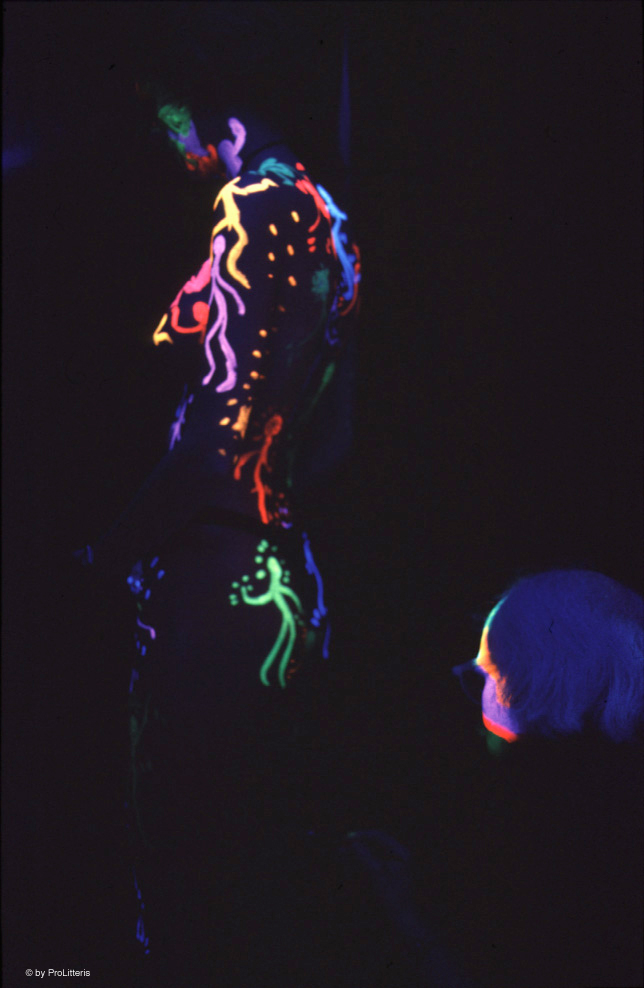
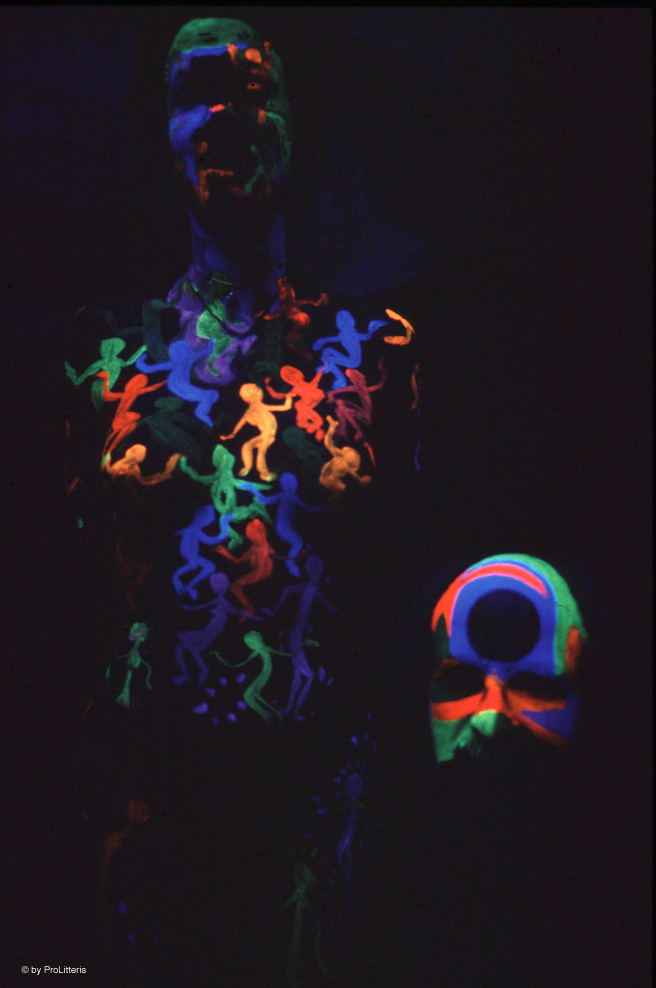
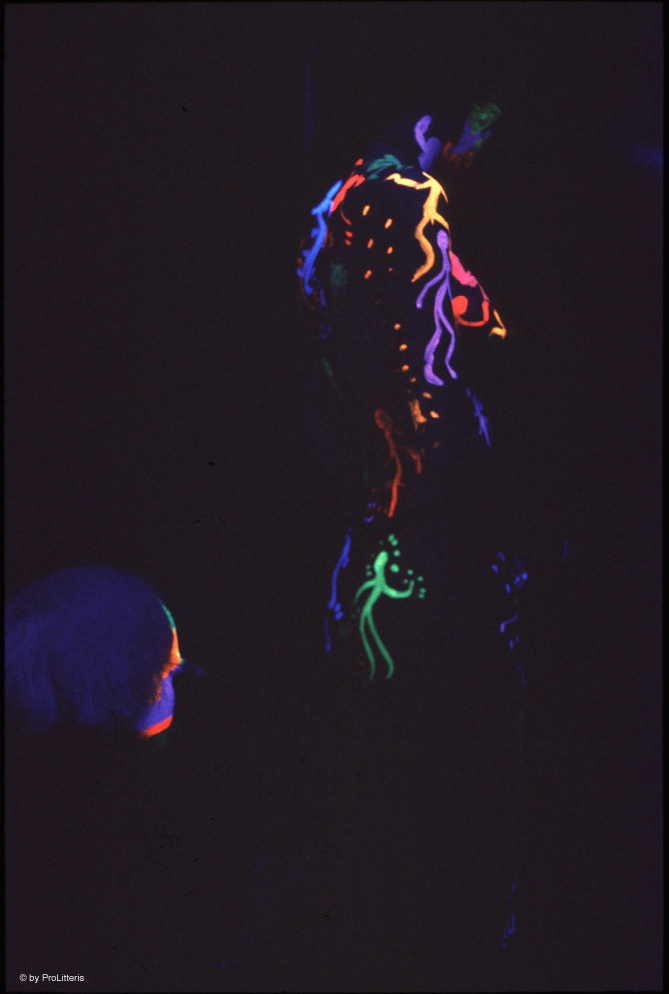
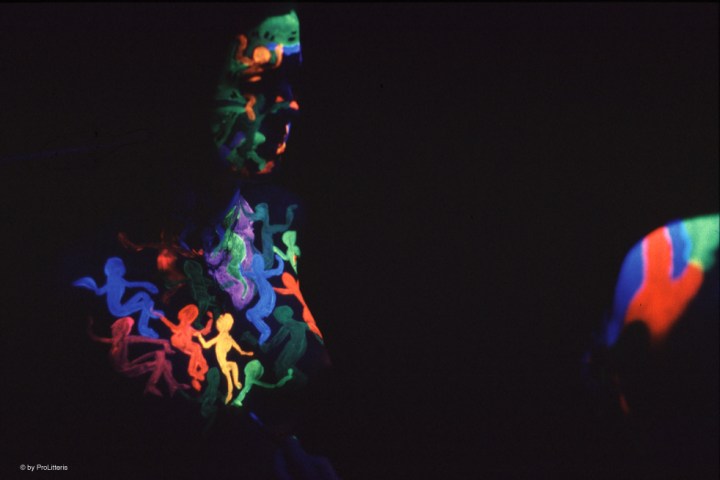
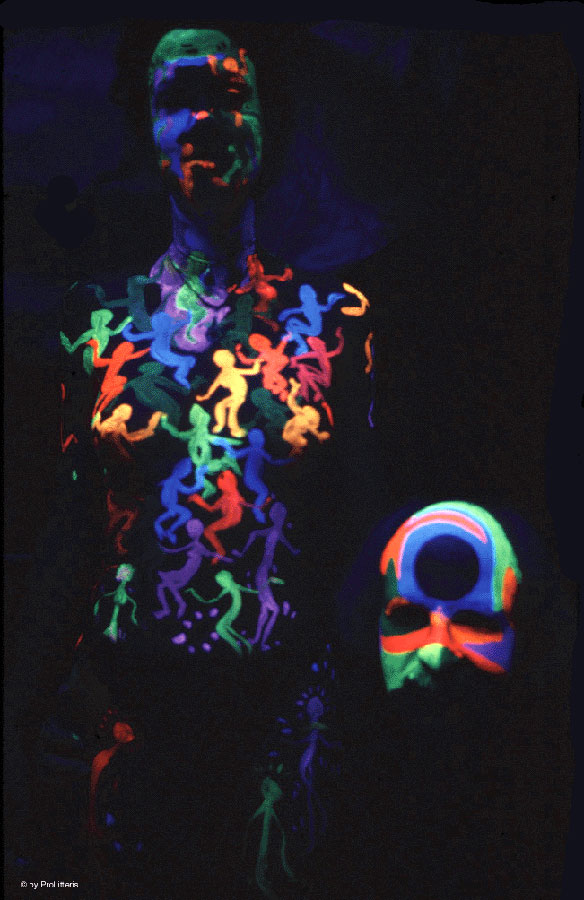
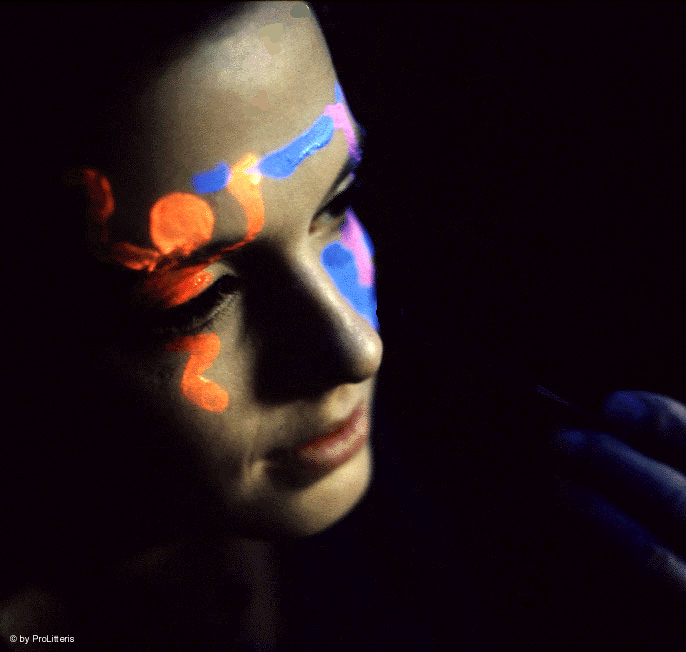
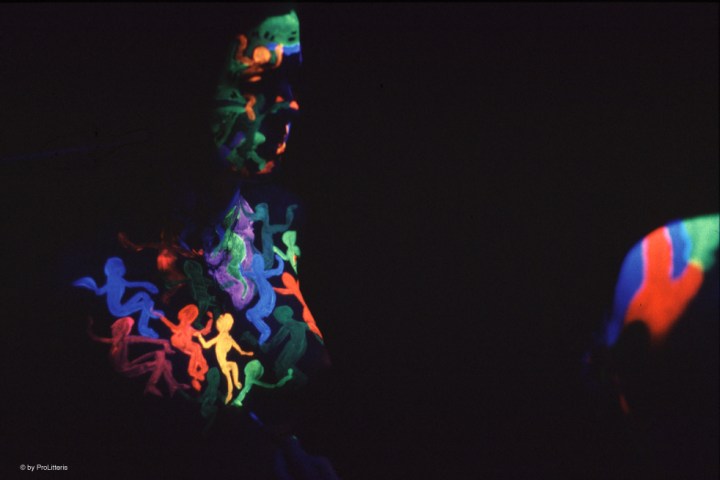
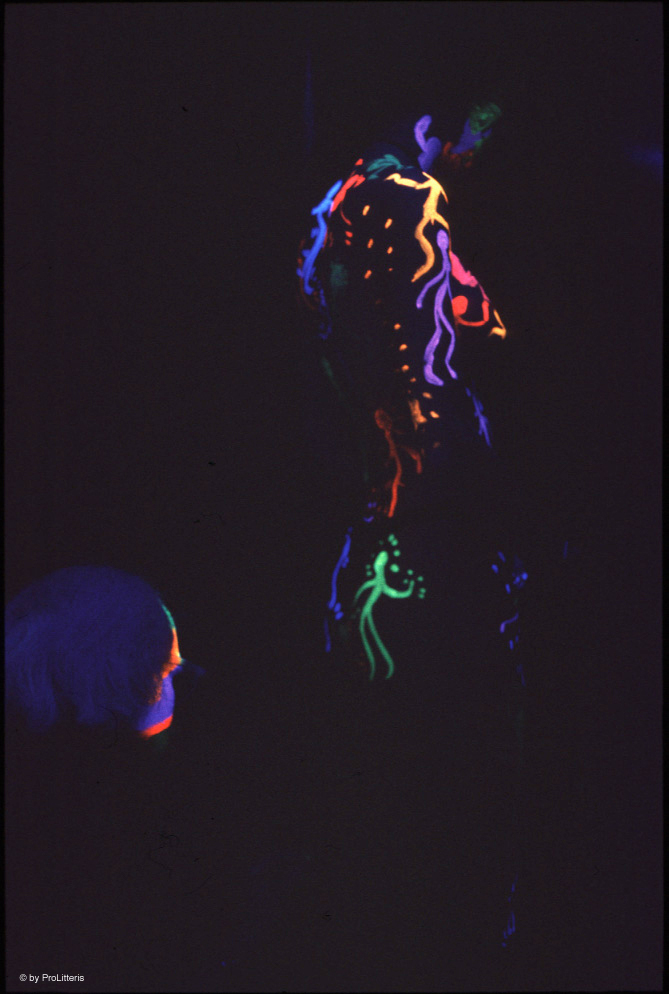
MAD – Lausannne – 1998 – photography Pierre-Michel Delessert
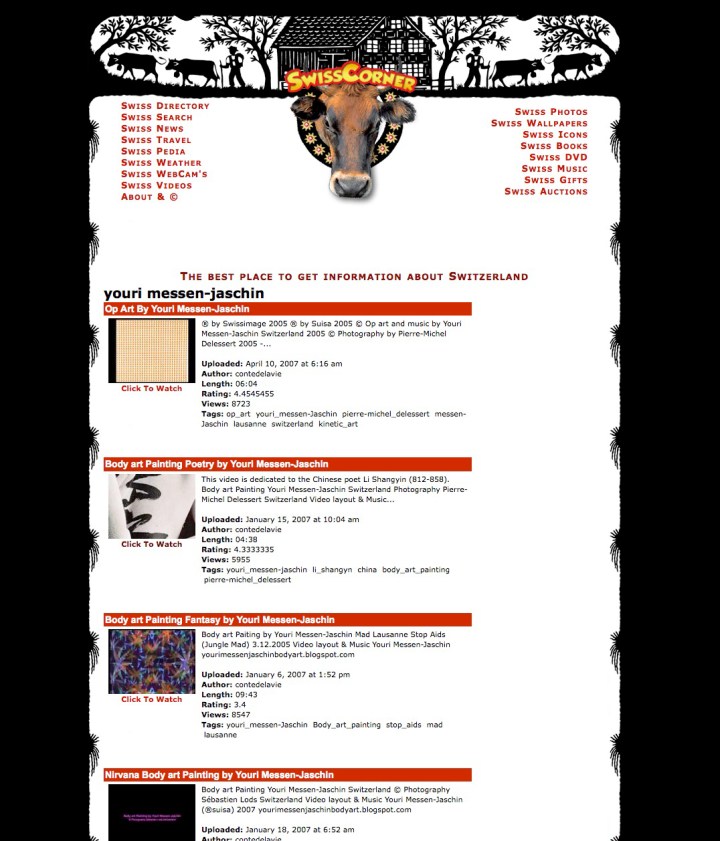
 Youri Messen-Jaschin - I create perceptions in motion.
Recent Comments